
Old Escalator Noise & Impact: Key Parts to Check
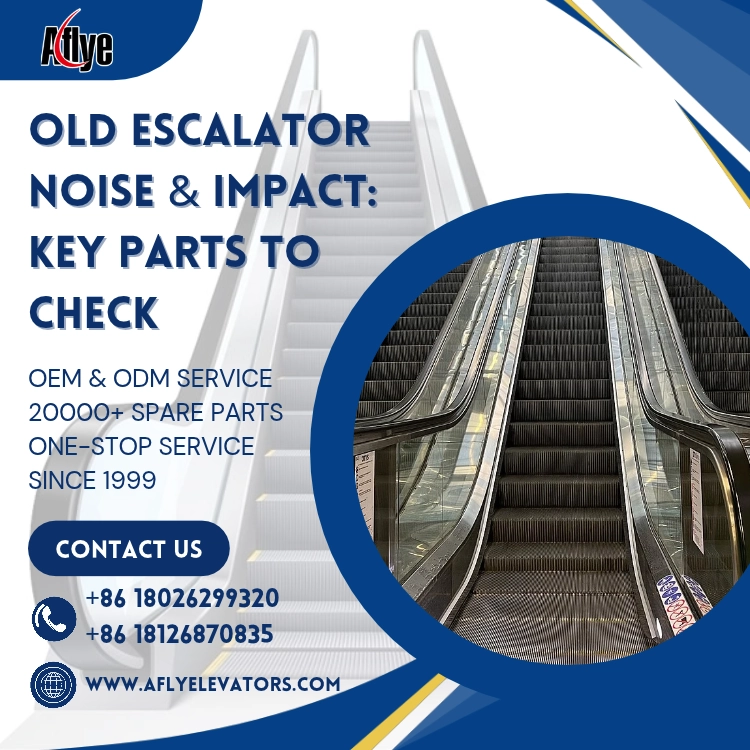
Why Are Old Escalators Getting Noisier and More Impactful? Why Should the Step Chain, Step Rollers and Guide Rails Be Checked Together During Modernization? After years of operation, old escalators may develop periodic noise, vibration, impact, or even slight step jumping. Many maintenance projects only replace the most visibly worn part. However, the escalator step […]
Escalator Trim Strip Wear & Noise
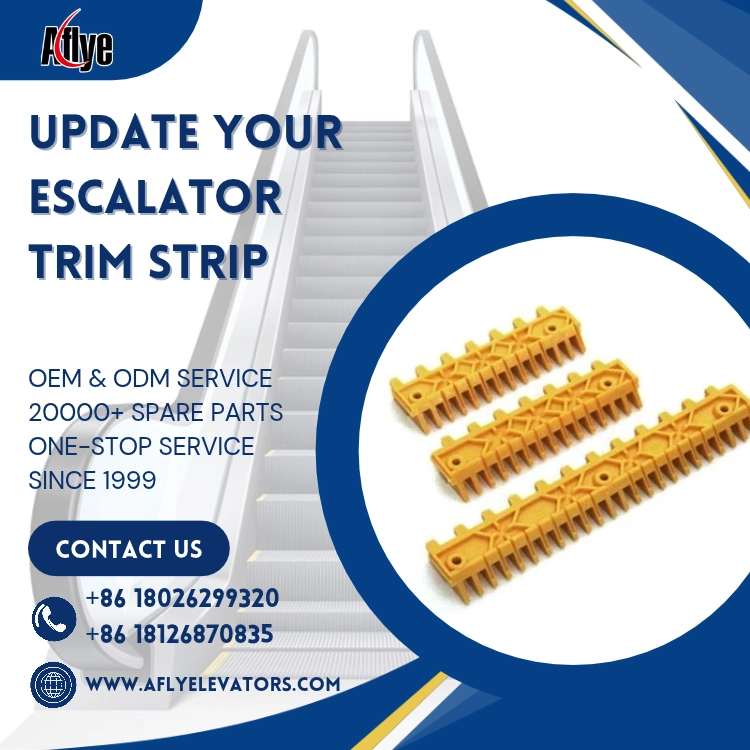
Why Do Escalator Trim Strips Become Loose, Lift Up, or Make Noise? Common Causes and Replacement Tips In an escalator, trim strips are mainly used to cover joints, secure decorative panels, and improve the overall appearance of the equipment. Although escalator trim strips are relatively simple exterior components, long-term exposure to mechanical vibration, passenger impacts, […]
Escalator Handrail & Step Speed Problems
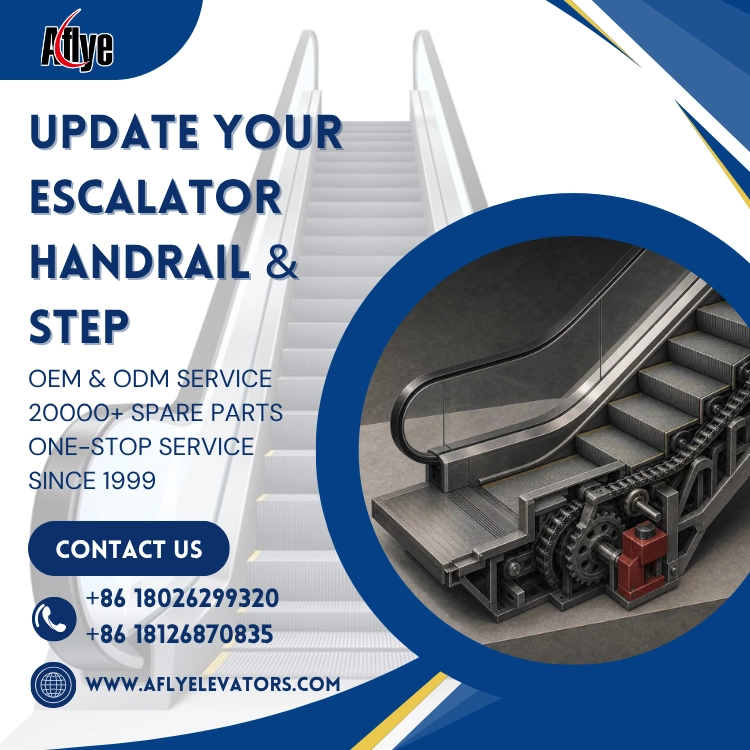
Old Escalator Handrail and Step Speeds Out of Sync? Check These 6 Components During Modernization After years of operation, an older escalator may develop a difference between handrail speed and step speed, causing the handrail to run slower, slip intermittently, or vibrate during operation. When escalator handrail speed becomes unsynchronized with the steps, the problem […]
Escalator Comb Plate Clearance Issues
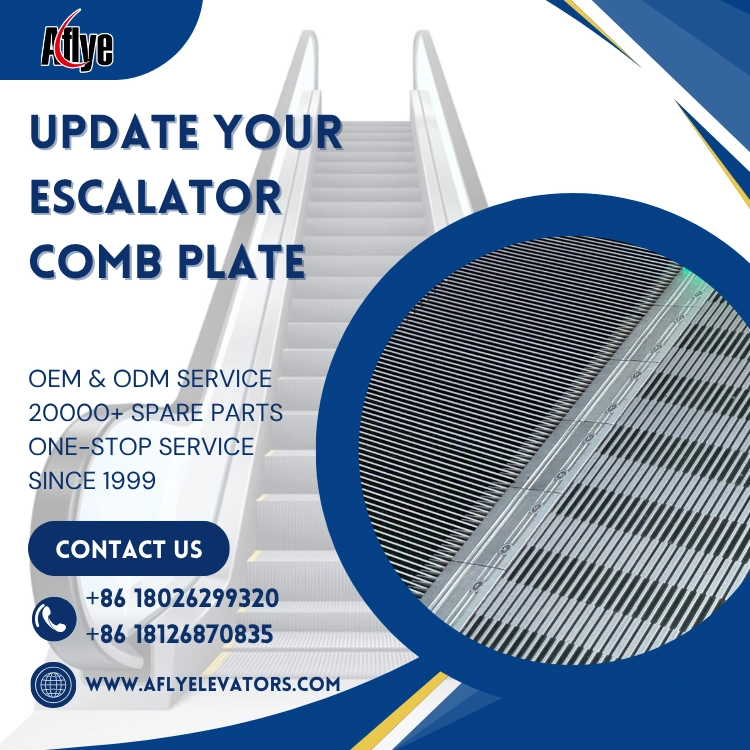
What Problems Can Abnormal Escalator Comb Plate and Step Clearance Cause? During escalator operation, the escalator comb plate is located at the entrance and exit areas and must maintain proper engagement with the grooves of the escalator steps. Correct comb plate engagement allows the steps to enter and leave the landing area smoothly while helping […]
Elevator Door Lock Contact Signal Failure
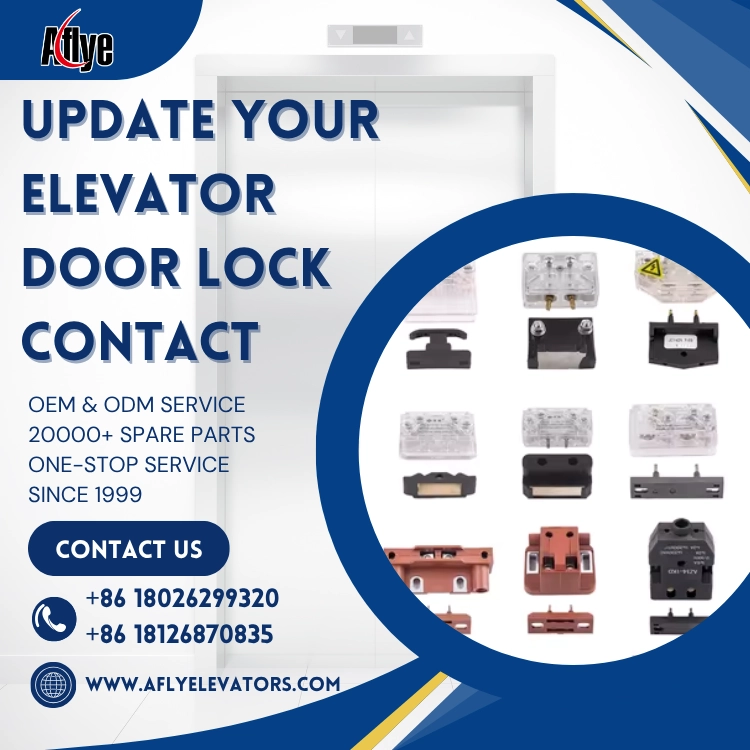
Why Does Elevator Door Lock Contact Oxidation Cause Intermittent Door Lock Signal Problems? In an elevator door system, the elevator door lock contact provides feedback to the control system to confirm whether the landing door is securely closed and locked. After long-term use, oxidation, contamination, or reduced contact pressure may increase electrical resistance, causing the […]
Governor Tension Pulley Wear Problems
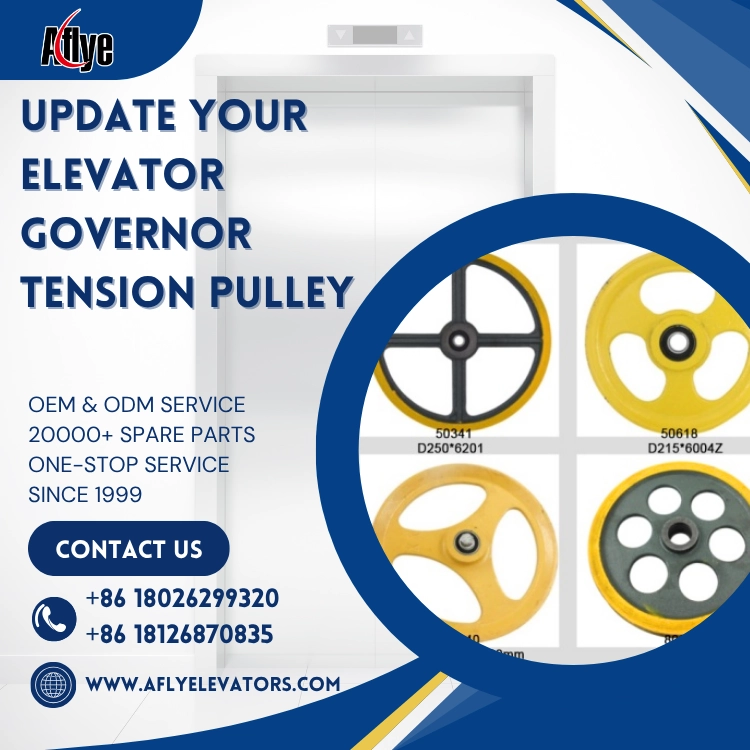
Why Does Elevator Governor Tension Pulley Wear Affect Governor Operation? In an elevator safety protection system, the elevator governor tension pulley helps maintain proper tension on the governor rope, allowing the overspeed governor to accurately monitor elevator car movement and speed. When the tension pulley becomes worn, stuck, or rotates abnormally, the tension of the […]
Elevator Door Lock Roller Wear Problems
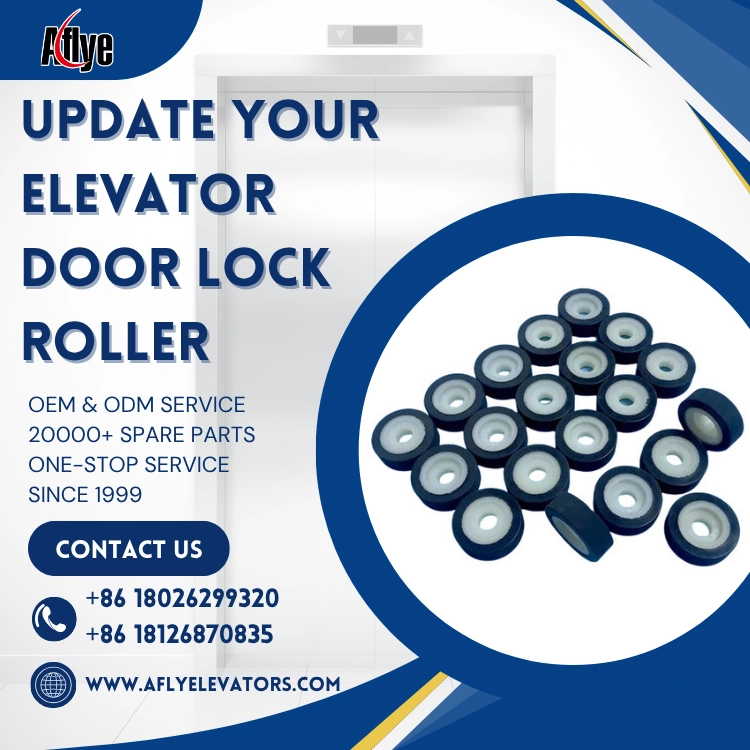
Why Does Elevator Door Lock Roller Wear Cause Improper Door Lock Engagement? In an elevator landing door system, the elevator door lock roller works with the door vane and related mechanisms to open and close the door lock. After long-term operation, roller wear, sticking, or dimensional changes can alter the movement path of the door […]
Escalator LED Light Strip Failure: Causes & Solutions
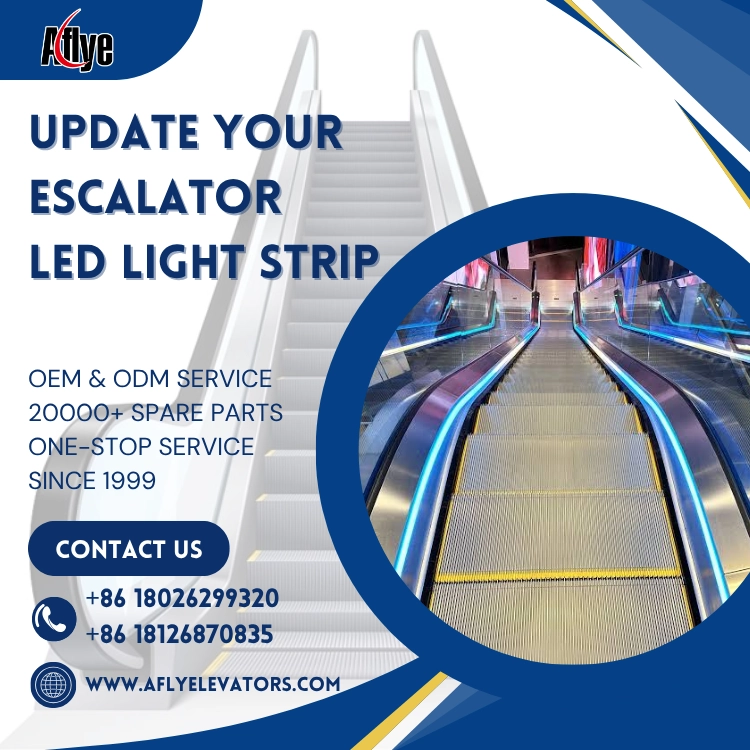
Why Does an Escalator LED Light Strip Stop Working or Lose Brightness? As an escalator operates over time, the escalator LED light strip may develop problems such as failure to illuminate, flickering, or reduced brightness. These issues not only affect the appearance of the escalator but may also reduce visual guidance and safety awareness in […]
Escalator Inspection Box Button Problems
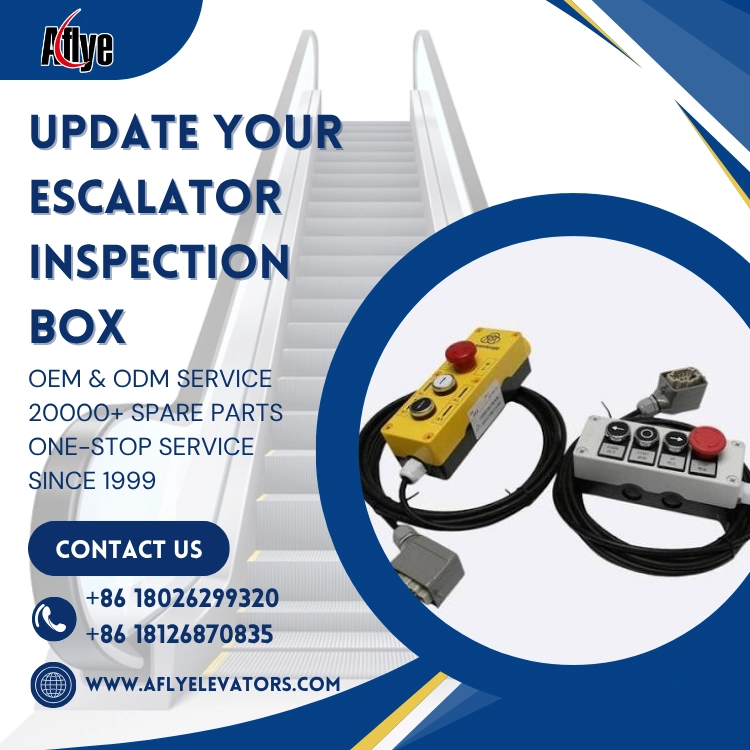
What Causes Escalator Inspection Box Button Failure or Control Problems? During escalator maintenance and routine inspections, the escalator inspection box is an important control device used by technicians for equipment testing, inching operation, and safety checks. Through the escalator inspection control box, maintenance personnel can control functions such as start, stop, upward movement, and downward […]
Risks of Escalator Step Deformation
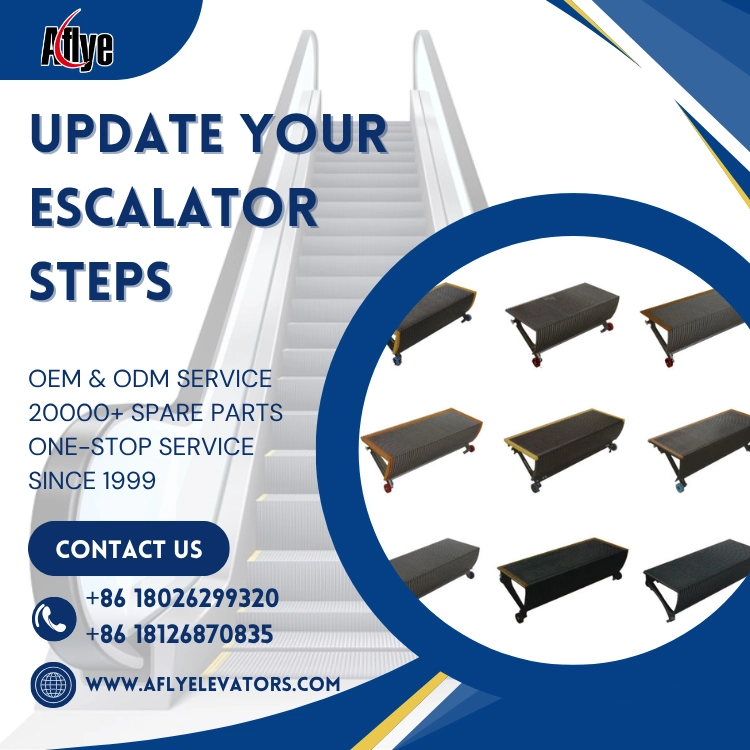
What Operating Risks Can Be Caused by Escalator Step Deformation? Escalator steps are critical load-bearing components that carry passengers during escalator operation. They are continuously subjected to passenger weight, operating impacts, and repeated cyclic loads. If an escalator step becomes deformed, it can not only reduce ride comfort but also cause abnormal step operation and […]
Escalator Step Chain Tensioner Problems
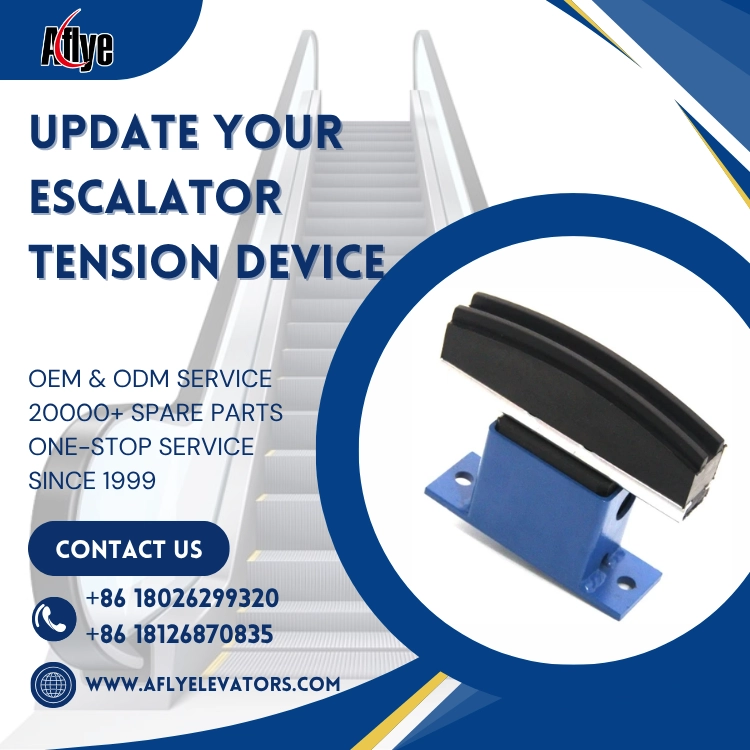
What Operating Problems Can Be Caused by Escalator Step Chain Tensioner Failure? During long-term escalator operation, the escalator step chain tensioning device plays an important role in maintaining proper chain tension and ensuring smooth step movement. If the tensioning device fails, the escalator step chain may become loose, fluctuate, or experience uneven loading, which can […]
Risks of Worn Escalator Entrance Brushes
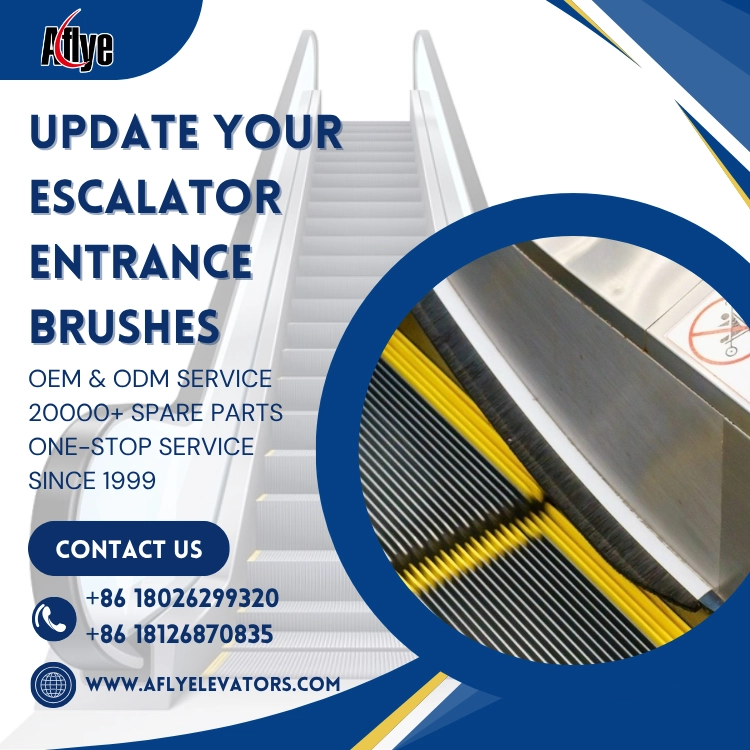
What Safety Problems Can Escalator Entrance Brush Wear or Detachment Cause? The entrance area of an escalator is an important access point for passengers and one of the areas where safety risks are concentrated. Although the escalator entrance brush is a small wear part, it plays an important role in preventing passengers’ shoes, clothing, and […]