
List of Common Elevator Wear-and-Tear Spare Parts: Essential Inventory Reference for Maintenance Companies
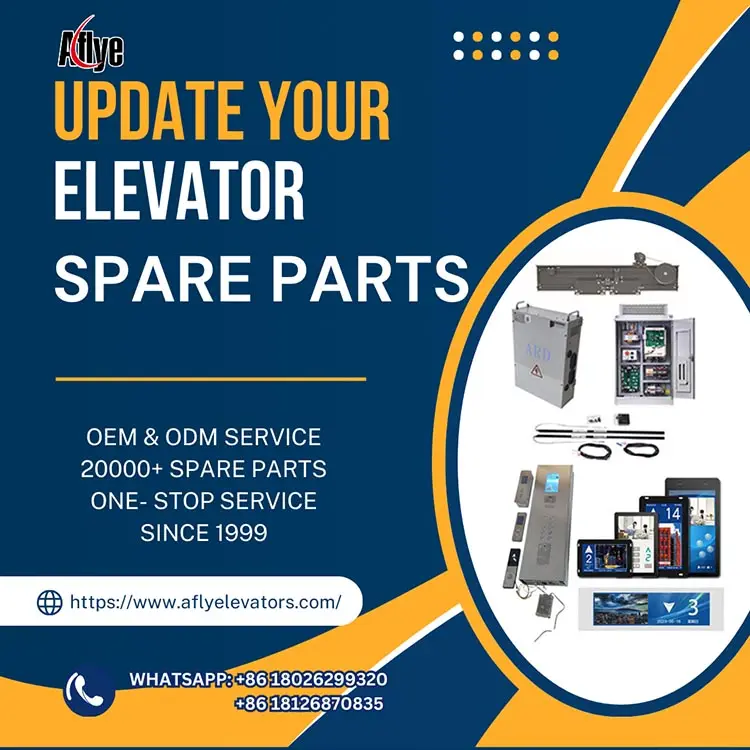
List of Common Elevator Wear-and-Tear Spare Parts In elevator maintenance work, many shutdowns are not caused by “major failures,” but by the sudden failure of a common spare part with no replacement available on site. This forces repairs to be delayed. For maintenance companies, establishing a well-planned inventory of elevator wear-and-tear parts not only shortens […]
What Common Faults Can Be Caused by Incorrect Elevator Door Vane Position?
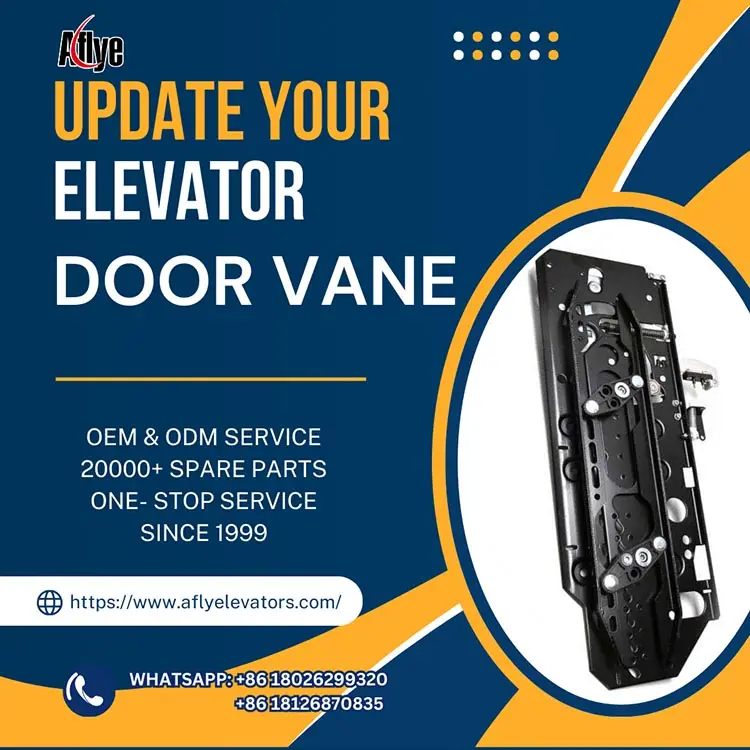
Common Faults Caused by Incorrect Elevator Door Vane Position In an elevator door system, the door vane is a critical mechanical component that connects the car door and the landing door. Its function is to engage the landing door lock rollers when the elevator arrives at a floor, allowing the landing door to open simultaneously […]
Solutions for Elevator Landing Door Roller Wear Causing Poor Door Closing
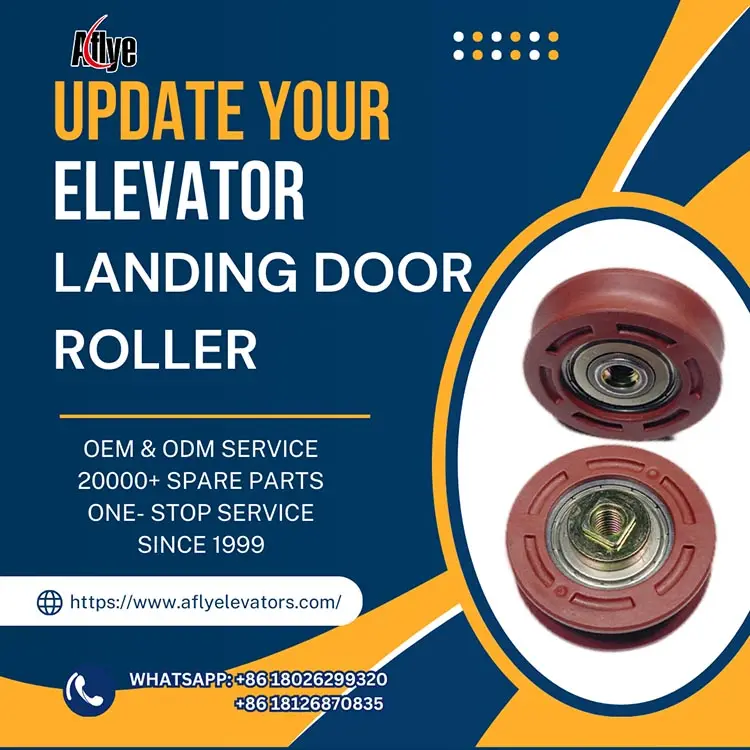
Poor Door Closing Caused by Worn Landing Door Rollers Among common elevator faults, issues such as landing doors not closing smoothly, slower closing speed, or friction noise during door closing are frequently reported. Many people initially suspect a door operator problem, but in reality, the true cause is often a small and easily overlooked elevator […]
How Much Does Bearing Seal Design Affect the Service Life of Escalator Step Rollers?
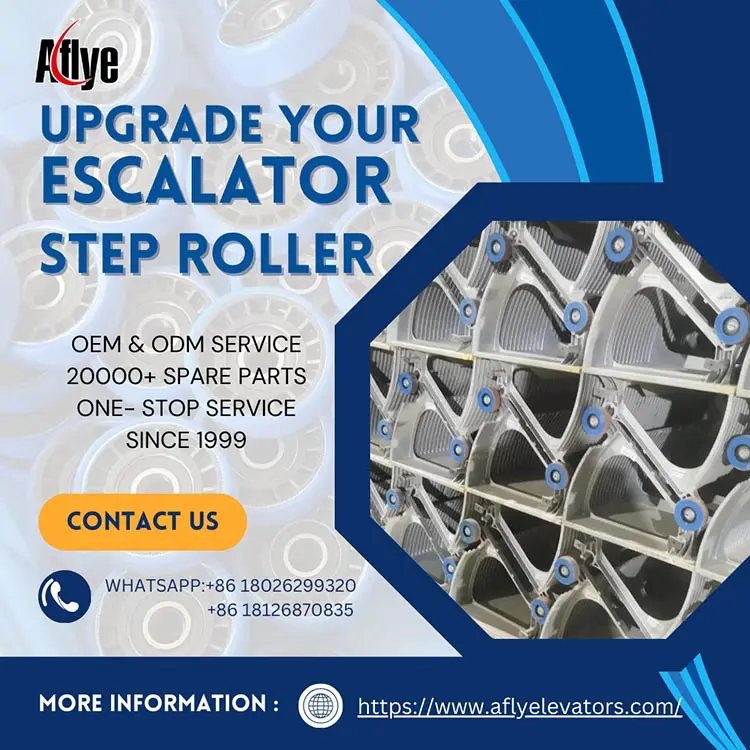
How Bearing Seal Design Affects Escalator Step Roller Lifespan In an escalator system, step rollers are responsible for high-frequency rolling and load bearing. However, the component that truly determines their durability is often not the roller body itself, but the step roller bearing and its sealing structure. Many maintenance teams notice that step rollers with […]
Why Can Small Dimensional Deviations in Step Rollers Be Amplified into Whole-Escalator Vibration?
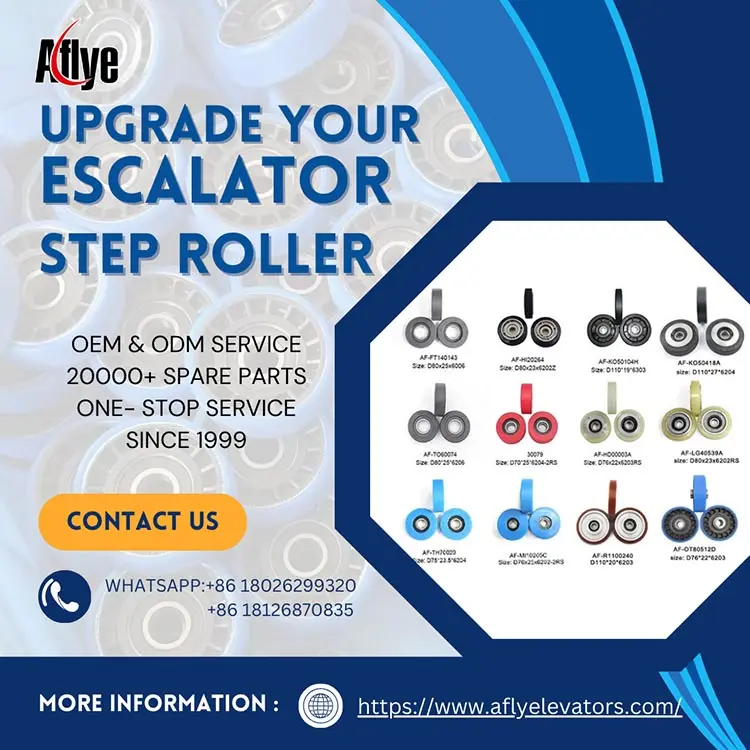
Why Small Step Roller Size Deviations Cause Escalator Vibration In daily escalator maintenance, many technicians encounter a puzzling situation: after replacing step rollers with new ones, the escalator starts to vibrate or produce abnormal noise. Inspection shows that the step rollers rotate smoothly, the rubber is not aged, and the dimensional deviation appears “almost negligible.” […]
How Does Hardened Step Roller Rubber Affect the Overall Operation of an Escalator?
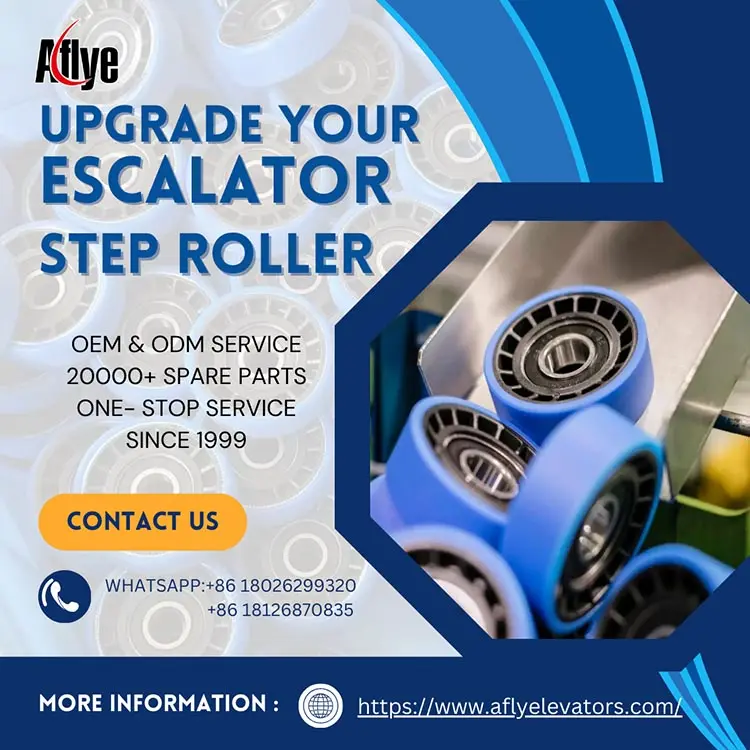
How Hardened Step Roller Rubber Affects Escalator Operation In an escalator operating system, the step roller may seem like a minor component, but it directly affects riding comfort and operational safety. During inspections, many maintenance teams focus on chains, drive sprockets, or brakes, while overlooking a problem that develops quietly over time—hardening of the step […]
Door Hanger Rollers Run Smoothly, Yet the Door Panel Wobbles?Don’t Overlook Guide Rail Compatibility Issues
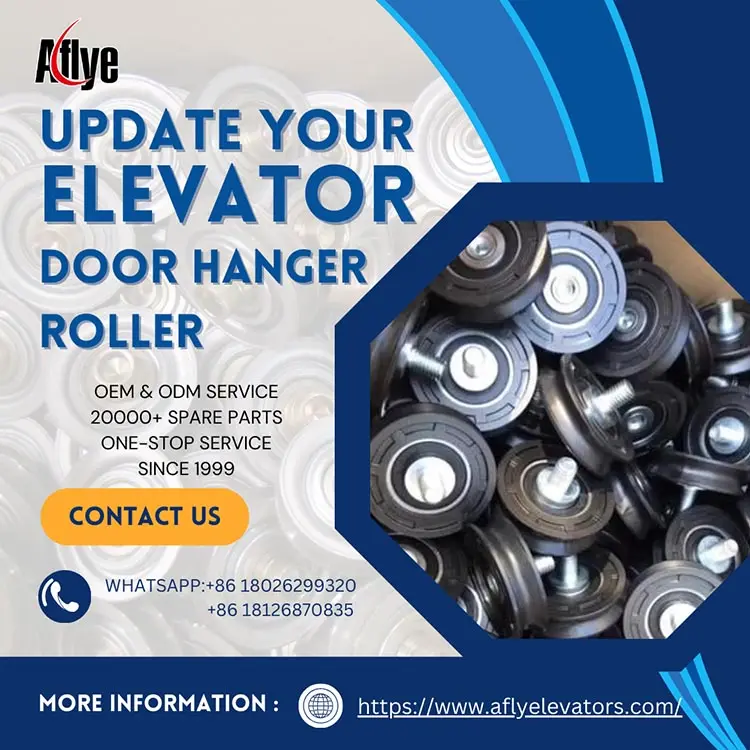
Door Runs Smoothly but Panel Wobbles? Check Guide Rail Compatibility In daily maintenance of elevator door systems, a seemingly contradictory situation is often encountered: the door hanger rollers rotate smoothly with no abnormal noise, yet the door panel visibly wobbles during opening and closing. Many maintenance technicians repeatedly replace the door hanger rollers, but the […]
Plastic Door Hanger Rollers vs. PU Door Hanger Rollers:Completely Different Application Scenarios
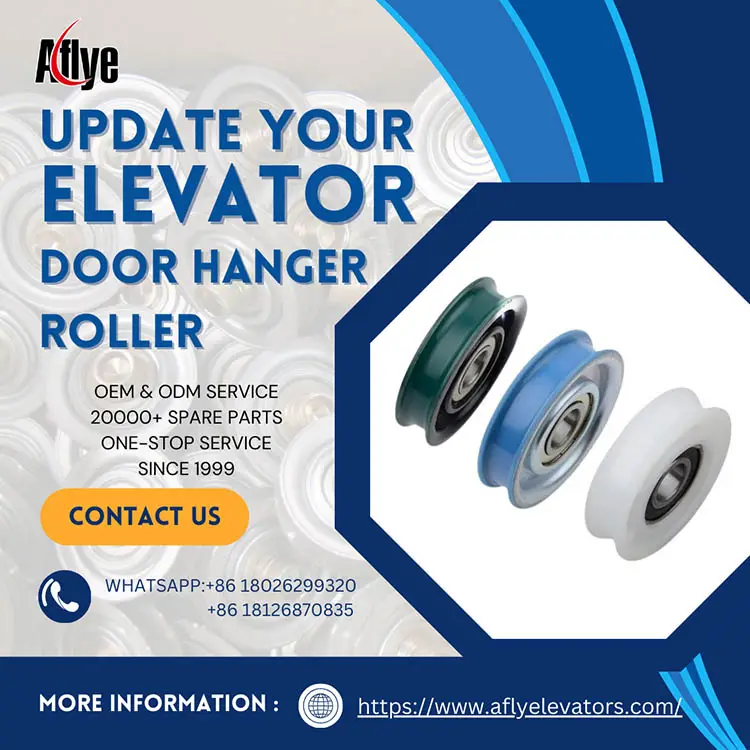
Plastic Door Hanger Rollers vs. PU Door Hanger Rollers In an elevator door system, door hanger rollers determine how smoothly the door panels travel along the guide rail. When replacing door hanger rollers, many maintenance technicians struggle with a common question: what is the real difference between plastic door hanger rollers and PU door hanger […]
What Door Operator Problems Can Be Caused by Excessive Deviation in Door Hanger Roller Diameter?
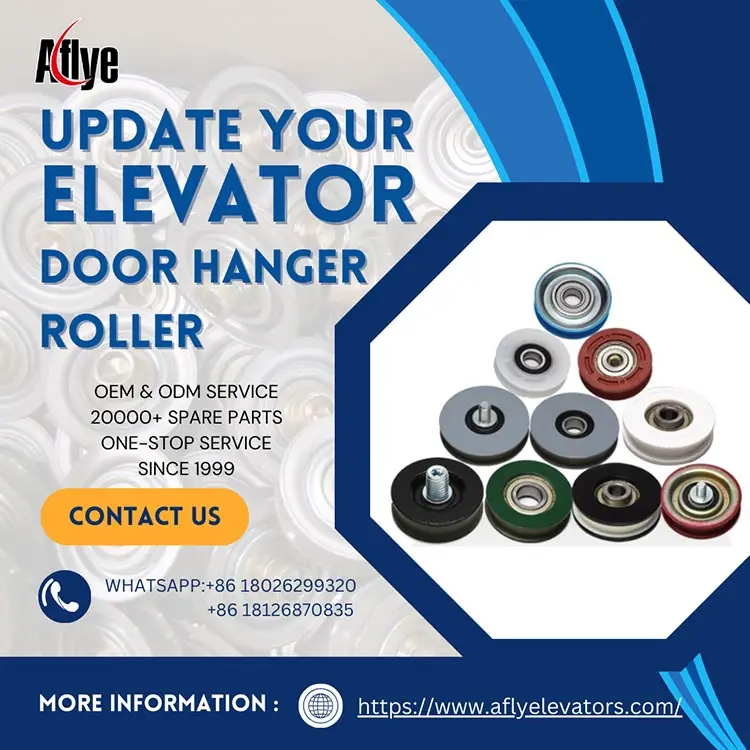
Door Operator Issues Caused by Incorrect Door Hanger Roller Diameter In an elevator door system, door hanger rollers may be small in size, but they are one of the key components that determine whether door opening and closing are smooth, quiet, and stable. When replacing door hanger rollers, many maintenance technicians focus only on whether […]
When Replacing a Traction Sheave, Why Must These Related Components Be Checked at the Same Time?
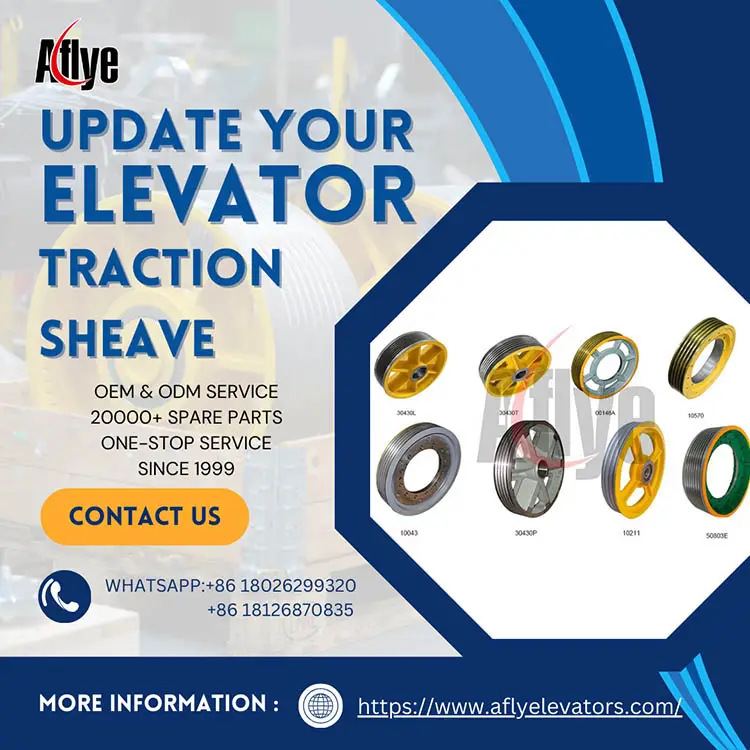
Why Check Related Components When Replacing a Traction Sheave? In elevator maintenance or modernization projects, replacing a traction sheave is often treated as a “single-component task.” Many on-site teams focus only on whether the traction sheave itself is worn, while overlooking other components that are highly coupled with it. The result is often disappointing: shortly […]
Traction Sheave Slippage Without Visible Wire Rope Wear: Where Could the Problem Be?
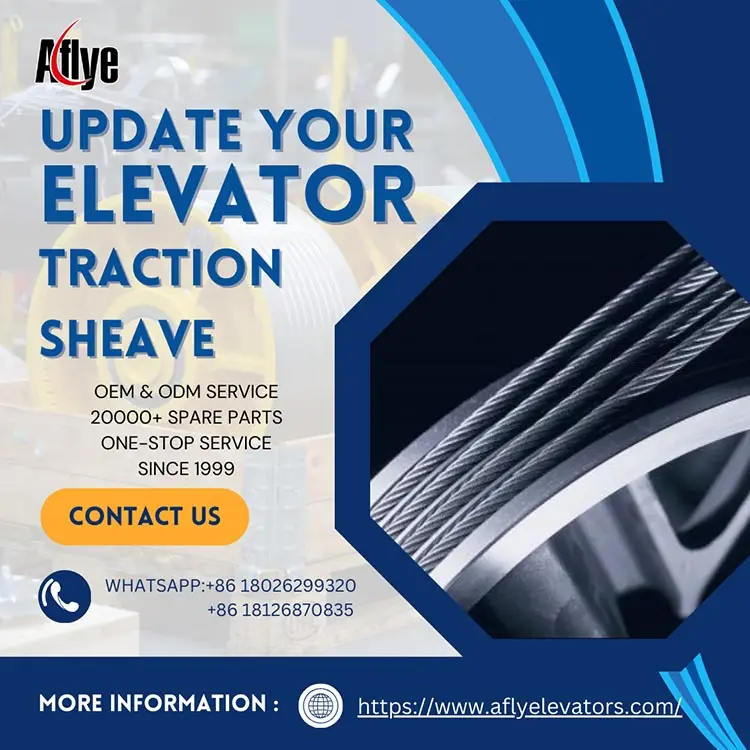
Traction Sheave Slippage Without Rope Wear: What’s the Cause? In elevator maintenance practice, there is a situation that often causes confusion: traction sheave slippage occurs, yet the wire ropes show no obvious wear or broken wires. Many technicians instinctively suspect rope quality and even replace the wire ropes, only to find that the problem still […]
How Much Does Traction Sheave Surface Hardening Affect Service Life?
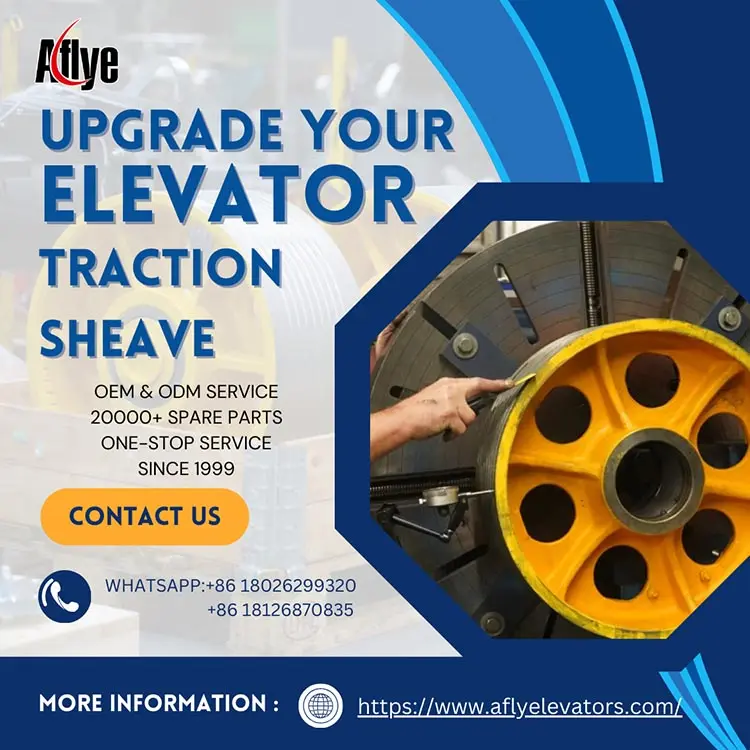
How Surface Hardening Affects Traction Sheave Lifespan In an elevator traction system, the traction sheave does more than transmit driving force. Its surface condition directly determines wire rope wear rate, operational stability, and the overall service life of the system. When replacing traction sheaves, many people focus on dimensions and groove profiles, while overlooking one […]