
What Causes Escalator Handrail Curve Noise or Jamming?

Product

What Causes Escalator Handrail Curve Noise or Jamming?

In an escalator system, the Escalator Handrail Curve device (also known as the escalator handrail inlet or handrail entrance guide) is the first safety area passengers contact when entering the escalator. It is an important part of the escalator handrail entrance system.

It not only guides the escalator handrail smoothly into the entrance area but also helps prevent foreign objects from being caught and protects passenger safety.

During long-term operation, if the Escalator Handrail Curve device develops abnormal noise, jamming, or uneven handrail movement, it can affect passenger comfort and may also reduce the effectiveness of escalator safety protection functions. Therefore, it should be included as a key inspection item during regular escalator maintenance.
What Causes Escalator Handrail Curve Noise or Jamming?

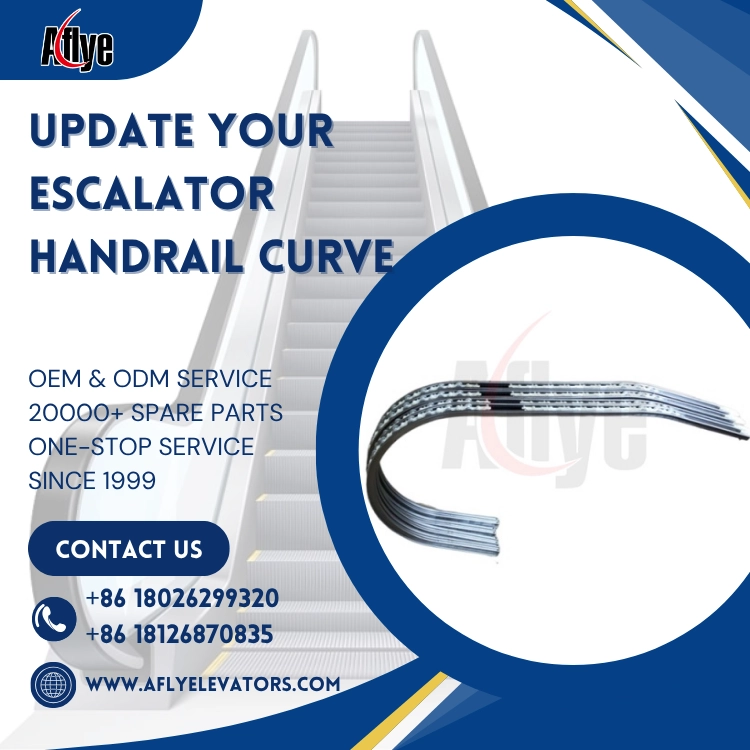
In an escalator system, the Escalator Handrail Curve device (also known as the escalator handrail inlet or handrail entrance guide) is the first safety area passengers contact when entering the escalator. It is an important part of the escalator handrail entrance system.

It not only guides the escalator handrail smoothly into the entrance area but also helps prevent foreign objects from being caught and protects passenger safety.

During long-term operation, if the Escalator Handrail Curve device develops abnormal noise, jamming, or uneven handrail movement, it can affect passenger comfort and may also reduce the effectiveness of escalator safety protection functions. Therefore, it should be included as a key inspection item during regular escalator maintenance.

1. Entry Roller Wear Causes Operating Noise

The Escalator Handrail Curve device usually contains guide rollers, bearings, and auxiliary structures to ensure smooth handrail movement.

After long-term use, the rollers may experience:

Bearing wear;
Roller surface damage;
Increased rotation resistance;
Excessive clearance.

When the handrail passes through the entry area, worn rollers may fail to rotate smoothly, causing:

Squeaking sounds;
Friction noise;
Periodic abnormal noise.

Solution:
Check the rotation condition of the entry rollers and the wear condition of the bearings. Replace the roller assembly if necessary.

2. Deformation of the Handrail Entry Device Causes Jamming

The escalator handrail entrance device requires accurate positioning to allow the handrail to smoothly enter the guide area.

External impact, long-term vibration, or installation deviation may cause:

Changes in entrance clearance;
Misalignment of the guide position;
Friction between the handrail and structure;
Increased running resistance.

Common symptoms include:

Unstable handrail speed;
Jamming at the entrance area;
Wear marks on the handrail edge.

During maintenance, technicians should check the fixing condition and installation dimensions of the handrail entry device to prevent further damage caused by structural misalignment.

3. Aging Handrail Increases Running Resistance

Abnormalities at the Escalator Handrail Curve area are not always caused by the entrance components themselves. The condition of the escalator handrail also directly affects operation.

When the handrail develops:

Surface hardening;
Cracks;
Deformation;
Internal structural damage;

it can increase friction resistance when passing through the entry device, resulting in abnormal noise or jamming.

Therefore, when inspecting the Escalator Handrail Curve area, technicians should also check:

Handrail condition;
Friction wheel;
Guide system.
4. Foreign Objects Cause Mechanical Blocking

The escalator entrance area is an open structure and can easily collect:

Dust;
Small foreign objects;
Liquid stains;
Metal debris.

These contaminants may enter the roller or guide mechanism, causing:

Poor roller rotation;
Increased handrail resistance;
Abnormal wear in the entrance area.

Regular cleaning and inspection of the entrance area are important measures to reduce failures.

5. Escalator Handrail Curve Maintenance Inspection Recommendations

During escalator maintenance, technicians should focus on checking:

Whether the handrail entry device is securely fixed;
Whether the handrail entrance clearance is correct;
Whether rollers rotate smoothly;
Whether bearings produce abnormal noise;
Whether the handrail runs smoothly;
Whether safety protection devices operate properly.

If any abnormal condition is found, it should be repaired promptly to prevent minor issues from developing into escalator shutdown problems.

6. Escalator Handrail Curve Device Purchasing Recommendations

When purchasing an Escalator Handrail Curve device and related escalator safety components, the following specifications should be confirmed:

Entrance device dimensions;
Escalator handrail model;
Installation method;
Roller specifications;
Wear resistance of materials;
Compatible escalator brand and model.

Different escalator models may have different entrance structures. It is recommended to provide original part photos, dimensions, or equipment model information for professional matching to avoid compatibility issues after installation.

A-FLY Elevator & Escalator Parts Supply Capability

As a professional elevator and escalator parts supplier, A-FLY provides global maintenance companies, engineering contractors, and parts distributors with:

Escalator Handrail Curve devices;
Escalator handrail inlet assemblies;
Escalator handrails;
Friction wheels;
Guide rollers;
Step chains;
Step rollers;
Comb plates;
And a full range of elevator and escalator spare parts.

A-FLY supports OEM/ODM customization, sample confirmation, drawing matching, and fast delivery. Based on different brands and models, A-FLY can provide professional matching solutions to help customers reduce procurement risks and improve escalator maintenance efficiency.

Conclusion

Abnormal noise or jamming of the Escalator Handrail Curve device is usually related to entry roller wear, handrail condition, installation misalignment, or foreign object interference.

As an important safety area of the escalator, the handrail entry system should be included in regular maintenance plans.

Through timely inspection, replacement of worn escalator components, and cooperation with a reliable escalator parts supplier, escalator operating safety and long-term stability can be effectively improved.


1. Entry Roller Wear Causes Operating Noise

The Escalator Handrail Curve device usually contains guide rollers, bearings, and auxiliary structures to ensure smooth handrail movement.

After long-term use, the rollers may experience:

Bearing wear;

Roller surface damage;

Increased rotation resistance;

Excessive clearance.

When the handrail passes through the entry area, worn rollers may fail to rotate smoothly, causing:

Squeaking sounds;

Friction noise;

Periodic abnormal noise.

Solution:

Check the rotation condition of the entry rollers and the wear condition of the bearings. Replace the roller assembly if necessary.

2. Deformation of the Handrail Entry Device Causes Jamming

The escalator handrail entrance device requires accurate positioning to allow the handrail to smoothly enter the guide area.

External impact, long-term vibration, or installation deviation may cause:

Changes in entrance clearance;

Misalignment of the guide position;

Friction between the handrail and structure;

Increased running resistance.

Common symptoms include:

Unstable handrail speed;

Jamming at the entrance area;

Wear marks on the handrail edge.

During maintenance, technicians should check the fixing condition and installation dimensions of the handrail entry device to prevent further damage caused by structural misalignment.

3. Aging Handrail Increases Running Resistance

Abnormalities at the Escalator Handrail Curve area are not always caused by the entrance components themselves. The condition of the escalator handrail also directly affects operation.

When the handrail develops:

Surface hardening;

Cracks;

Deformation;

Internal structural damage;

it can increase friction resistance when passing through the entry device, resulting in abnormal noise or jamming.

Therefore, when inspecting the Escalator Handrail Curve area, technicians should also check:

Handrail condition;

Friction wheel;

Guide system.

4. Foreign Objects Cause Mechanical Blocking

The escalator entrance area is an open structure and can easily collect:

Dust;

Small foreign objects;

Liquid stains;

Metal debris.

These contaminants may enter the roller or guide mechanism, causing:

Poor roller rotation;

Increased handrail resistance;

Abnormal wear in the entrance area.

Regular cleaning and inspection of the entrance area are important measures to reduce failures.

5. Escalator Handrail Curve Maintenance Inspection Recommendations

During escalator maintenance, technicians should focus on checking:

Whether the handrail entry device is securely fixed;

Whether the handrail entrance clearance is correct;

Whether rollers rotate smoothly;

Whether bearings produce abnormal noise;

Whether the handrail runs smoothly;

Whether safety protection devices operate properly.

If any abnormal condition is found, it should be repaired promptly to prevent minor issues from developing into escalator shutdown problems.

6. Escalator Handrail Curve Device Purchasing Recommendations

When purchasing an Escalator Handrail Curve device and related escalator safety components, the following specifications should be confirmed:

Entrance device dimensions;

Escalator handrail model;

Installation method;

Roller specifications;

Wear resistance of materials;

Compatible escalator brand and model.

Different escalator models may have different entrance structures. It is recommended to provide original part photos, dimensions, or equipment model information for professional matching to avoid compatibility issues after installation.

A-FLY Elevator & Escalator Parts Supply Capability

As a professional elevator and escalator parts supplier, A-FLY provides global maintenance companies, engineering contractors, and parts distributors with:

Escalator Handrail Curve devices;

Escalator handrail inlet assemblies;

Escalator handrails;

Friction wheels;

Guide rollers;

Step chains;

Step rollers;

Comb plates;

And a full range of elevator and escalator spare parts.

A-FLY supports OEM/ODM customization, sample confirmation, drawing matching, and fast delivery. Based on different brands and models, A-FLY can provide professional matching solutions to help customers reduce procurement risks and improve escalator maintenance efficiency.

Conclusion

Abnormal noise or jamming of the Escalator Handrail Curve device is usually related to entry roller wear, handrail condition, installation misalignment, or foreign object interference.

As an important safety area of the escalator, the handrail entry system should be included in regular maintenance plans.

Through timely inspection, replacement of worn escalator components, and cooperation with a reliable escalator parts supplier, escalator operating safety and long-term stability can be effectively improved.

Tags :
comb plates,Escalator Handrail Curve,escalator handrails,friction wheels,guide rollers,Step Chains,step rollers
Share This :
CONTACT US FOR ANY INQUESTIONS

Whether you have a problem with our products, services or other things, you can ask us, our team is waiting for you!