
What Risks Can an Elevator Emergency Lighting Failure Cause?
In an elevator safety system, the elevator emergency light is one of the most important elevator safety components. When an elevator experiences a power outage, unexpected shutdown, or passenger entrapment, the emergency lighting provides essential illumination inside the car. It helps reduce passenger anxiety while allowing rescue personnel to assess the situation more efficiently. Although an emergency lighting failure may go unnoticed during normal operation, it can create significant safety risks when an emergency occurs.
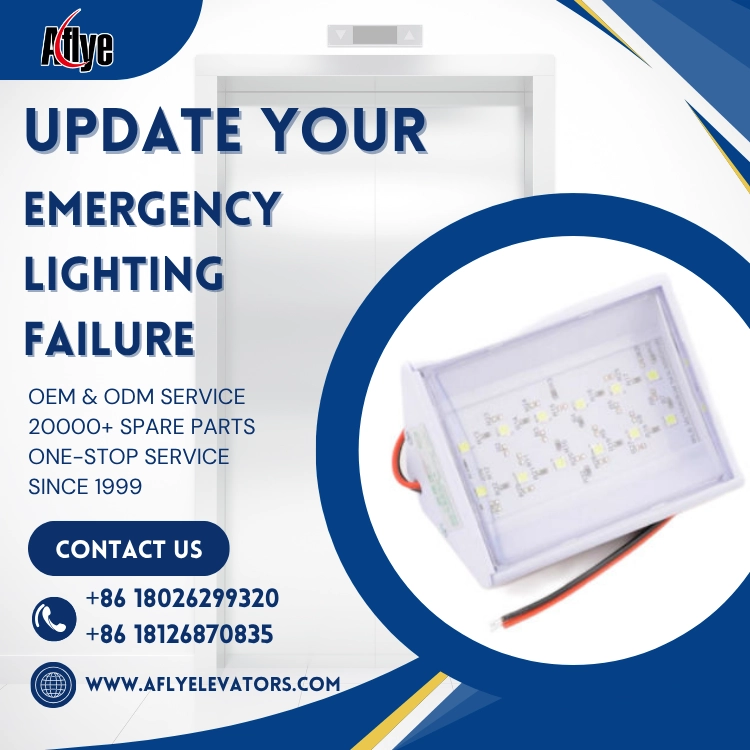
1. Complete Darkness During Power Failures or Entrapment
Under normal conditions, the elevator cabin's primary lighting provides sufficient illumination. However, if the external power supply fails or the elevator stops due to a fault, a malfunctioning elevator emergency light may leave the cabin completely dark.
Passengers may be unable to locate the elevator buttons, intercom system, or emergency instructions, increasing panic and discomfort in the enclosed space.
Solution:Maintenance personnel should perform regular power-off tests to verify that the emergency lighting automatically activates and that its brightness and operating duration meet safety requirements.
2. Reduced Emergency Assistance and Rescue Efficiency
When the emergency lighting fails, passengers may have difficulty locating the alarm button, emergency intercom, or safety instructions, making it harder to request assistance.
For elderly passengers, children, and individuals with limited mobility, darkness can significantly increase psychological stress and safety concerns.
Inspection recommendations:
Check the following components:
Elevator emergency light
Power supply module
Backup battery
Charging circuit
Wiring terminals
If the emergency light flickers, fails to illuminate consistently, or produces insufficient brightness, repair or replace the affected elevator and escalator spare parts promptly.
3. Potential Indicator of Aging Electrical Components
Emergency lighting failures are commonly caused by:
Aging batteries
Failed LED light sources
Loose wiring
Faulty charging modules
Defective switches
Control board output failures
If these issues remain undetected, a minor lighting problem may eventually affect the entire cabin lighting system or even related safety circuits.
Recommended maintenance:
For elevators that have been in service for many years, technicians should carefully inspect:
Battery condition
Power supply voltage
Lighting connectors
Installation environment
If the emergency light housing is damaged, exposed to moisture, or shows signs of overheating, replacing the complete safety component is recommended.
4. Negative Impact on Maintenance Quality and Safety Management
Although passengers rarely notice emergency lighting during normal operation, it becomes extremely important during emergencies.
If the emergency light fails during a passenger entrapment incident, passengers may perceive the elevator as poorly maintained, potentially damaging the reputation of the property manager, maintenance company, and project owner while raising concerns about overall safety management.
5. Elevator Emergency Light Purchasing Recommendations
When purchasing an elevator emergency light, buyers should verify:
Operating voltage
Installation dimensions
Connector type
Backup power supply type
Lighting brightness
Battery backup duration
Compatible elevator brand
Installation location
Purchasing based solely on appearance may lead to installation problems, incompatible wiring, or insufficient illumination.
As a professional elevator and escalator spare parts supplier, A-FLY supplies elevator emergency lights, emergency lighting components, cabin lighting systems, power supply modules, elevator push buttons, intercom systems, and a comprehensive range of elevator and escalator spare parts for maintenance companies, engineering contractors, and spare parts distributors worldwide.
A-FLY offers:
Multi-model compatibility matching
Bulk supply
OEM/ODM customization
Fast worldwide delivery
Our solutions help customers improve maintenance efficiency while enhancing elevator safety systems.
Conclusion
An elevator emergency lighting failure is far more than a minor inconvenience. During power outages, passenger entrapment, or equipment failures, it can affect passenger confidence, emergency communication, and rescue operations.
Maintenance personnel should regularly inspect the condition of elevator emergency lights and replace reliable elevator safety components whenever necessary, ensuring that elevators continue to provide essential safety support even under emergency conditions.