
Why Do Elevator Control Cabinet Terminals Frequently Overheat or Become Loose? Why Should Wiring Harnesses and Terminal Blocks Be Upgraded Together During Modernization?
After many years of operation, elevator control cabinet terminals may develop overheating, loose connections, discoloration, or even burn marks. Some maintenance technicians only retighten the terminals, but the problem may continue to occur.
This is because the underlying issue may involve more than the terminals themselves. Aging wiring harnesses, increased contact resistance, and changes in electrical load can also contribute to the problem.
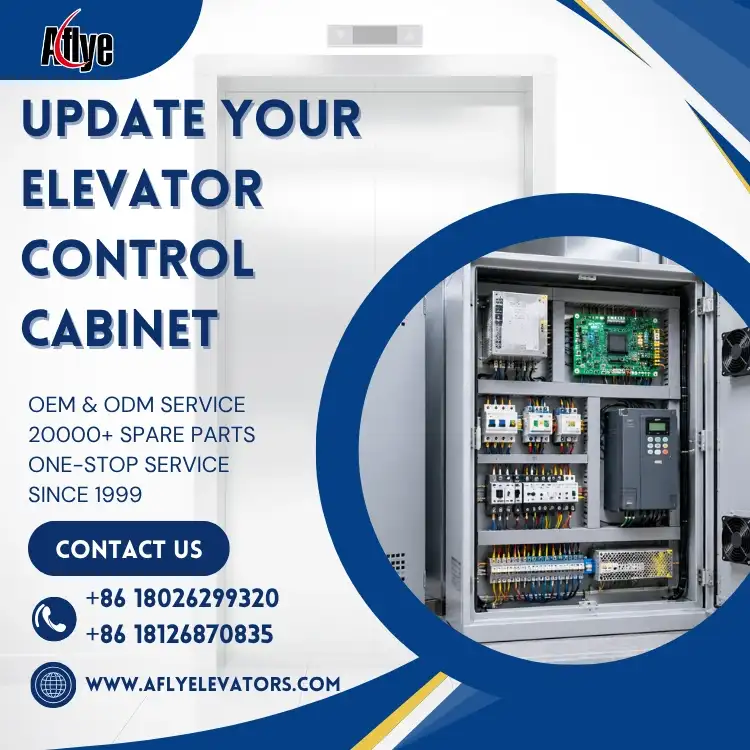
1. Why Do Elevator Control Cabinet Terminals Frequently Overheat?
1. Increased Terminal Contact Resistance
Long-term vibration, insufficient tightening force, or oxidation on contact surfaces can increase terminal contact resistance. When current flows through the connection, additional heat is generated, potentially causing insulation discoloration or terminal burnout.
2. Aging Elevator Wiring Harnesses
Prolonged exposure to heat, vibration, and environmental conditions can cause wire insulation to harden. Conductors and connection points may also develop oxidation or broken strands, affecting electrical conductivity and stability.
3. Mismatch Between Terminal Specifications and Electrical Load
If the terminal's rated current, wire cross-sectional area, or connection method does not meet the actual load requirements, abnormal localized temperature increases may occur.
4. Continuous Vibration Inside the Control Cabinet
Frequent elevator starts and stops generate mechanical vibration, which can gradually affect terminal connection stability, especially in aging wiring systems.
2. Why Is Replacing Only the Terminal Block Not Enough?
Terminals and wiring harnesses work together as an integrated electrical connection system.
If the original wires are already oxidized, have broken strands, or suffer from insulation aging, installing new terminals alone may not solve the problem. Poor conductor contact can still cause overheating.
Furthermore, older control cabinets may have accumulated wiring problems after multiple repairs, including disorganized connections, inconsistent wire sizes, and improper crimping methods.
Therefore, elevator electrical modernization should include a comprehensive assessment of wiring harnesses, terminal blocks, and connection structures.
3. How Should These Problems Be Addressed During Elevator Modernization?
Qualified technicians should disconnect the power supply and verify safe working conditions before inspection.
The following items should be checked:
Whether terminals show discoloration, burn marks, or loose connections
Whether wire insulation is hardened or cracked
Whether conductors are oxidized or have broken strands
Whether terminal ratings match the actual electrical load
Whether wiring harness fixing, routing, and crimping methods meet requirements
Wiring harnesses and terminals showing significant aging or overheating damage should be replaced together according to equipment specifications. Connection integrity and temperature rise under load should also be verified.
4. What Should Be Confirmed When Purchasing Elevator Wiring Harnesses and Terminals?
When purchasing elevator control cabinet components, confirm:
Terminal rated voltage and current
Compatible wire cross-sectional area
Installation method
Connection structure
For wiring harnesses, specifications should include:
Wire cross-sectional area
Number of cores
Insulation material
Temperature resistance rating
Cable length
Connector and interface specifications
Accurate specification matching helps prevent new electrical faults caused by incompatible components.
5. A-FLY Elevator & Escalator Spare Parts Supply
A-FLY supplies a wide range of elevator electrical components, including elevator control cabinets, terminal blocks, wiring harnesses, relays, contactors, control boards, inverters, and electrical connection accessories.
We support elevator maintenance, repair, and modernization projects with:
Model verification and specification matching
Dimensional confirmation
Customized wiring harness solutions
OEM & ODM services
Bulk purchasing
We also supply various mechanical and safety-related elevator and escalator spare parts, providing engineering contractors and maintenance companies with convenient one-stop sourcing solutions.
Conclusion
Repeated terminal overheating in older elevators is often a warning sign of aging electrical connections.
Inspecting and upgrading wiring harnesses and terminal systems together during modernization can help reduce contact resistance, prevent abnormal temperature increases, and improve the overall operational stability of elevator control systems.