
What Problems Can Sticky or Slow-Returning Elevator Buttons Cause?
Elevator buttons are among the most frequently used components in an elevator system. Whether on the Car Operating Panel (COP) or the Hall Operating Panel (HOP), continuous daily use can eventually lead to sticky buttons, slow return, poor tactile feedback, or unstable LED indication.
Many people consider these minor issues, but if left unresolved, they can affect elevator command registration, reduce passenger satisfaction, and even lead to operational errors.
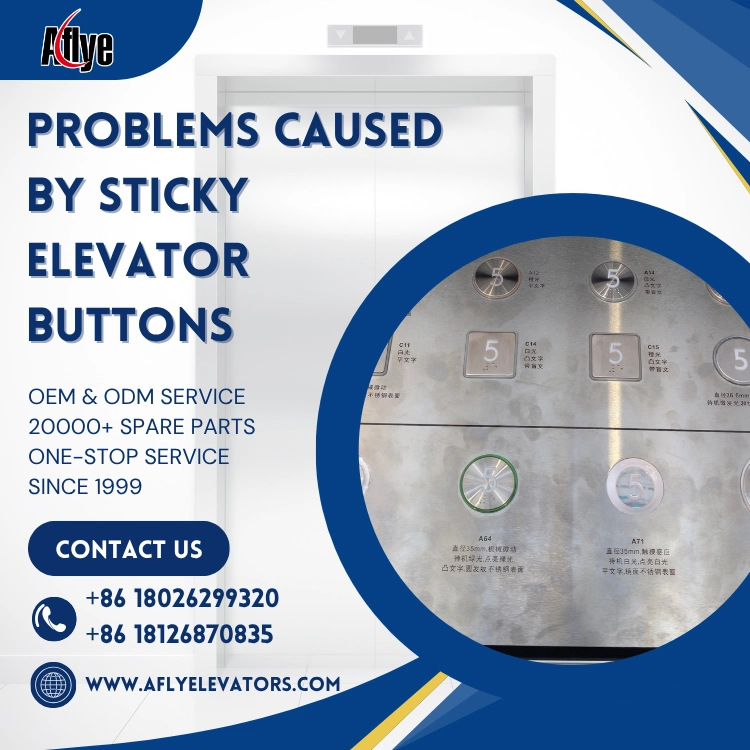
1. Sticky Elevator Buttons Can Cause Command Errors
When an elevator button becomes stuck, it may fail to return to its original position after being pressed. As a result, the control system may repeatedly receive the same command, leading to:
Repeated floor registration
Abnormal hall calls
Buttons remaining in the activated state
In severe cases, this can interfere with how the elevator control system processes commands.
Solution:
Maintenance technicians should inspect whether:
Foreign objects are blocking the button
The button edge is worn or deformed
The internal spring or contact has aged
If cleaning does not restore normal operation, replacing the elevator button is recommended.
2. Slow Button Return Affects the Passenger Experience
A slow-returning elevator button often causes passengers to believe the button was not pressed successfully, prompting them to press it repeatedly.
This not only reduces the overall riding experience but also accelerates wear on the internal button mechanism.
In high-traffic environments such as:
Shopping malls
Office buildings
Hotels
Hospitals
poor button responsiveness can also negatively affect the perceived quality of property management and elevator maintenance.
3. Worn Contacts May Lead to Button Failure
After years of operation, the internal contacts of an elevator button may suffer from:
Oxidation
Burn marks
Loose connections
Poor electrical contact
Early symptoms often include:
Slow button return
Intermittent LED illumination
Occasional failure to register commands
If ignored, the button may eventually stop functioning altogether.
Inspection recommendations:
Check whether:
The button feels normal when pressed
The LED indicator and floor registration operate simultaneously
If the LED lights up but the command is not registered—or the command registers but the button feels sticky—the button board, wiring, and control interface should be inspected.
4. Dust, Moisture, and Installation Issues Can Also Cause Sticking
Sticky buttons are not always caused by aging components. Other common causes include:
Dust accumulation
Humid environments
Deformed faceplates
Improper mounting hole alignment
These issues are especially common in:
Outdoor landing stations
Underground parking garages
High-traffic public areas
Solution:Clean the button panel regularly, verify that the button is mounted correctly, and ensure there is no friction between the button and the faceplate.
If the button mechanism has become deformed, replacing the affected elevator and escalator spare parts is preferable to forcing mechanical adjustments.
5. Elevator Button Purchasing Recommendations
When purchasing elevator buttons, buyers should confirm:
Button dimensions
Mounting method
Operating voltage
Connector type
LED color
Character engraving
Compatible elevator brand
Installation location
For special applications such as:
Alarm buttons
Door open/close buttons
Buzzer buttons
Special floor buttons
functional requirements and customization options should also be verified in advance.
As a professional elevator and escalator spare parts supplier, A-FLY provides elevator buttons, button components, button boards, COPs, HOPs, display boards, control boards, and a complete range of elevator and escalator spare parts for maintenance companies, engineering contractors, and spare parts distributors worldwide.
A-FLY offers:
Multi-brand compatibility matching
OEM/ODM customization
Bulk supply
Fast worldwide delivery
These services help customers improve maintenance efficiency while minimizing elevator downtime.
Conclusion
Sticky or slow-returning elevator buttons may seem like minor issues, but they can lead to command errors, button failure, and a poor passenger experience.
Maintenance technicians should inspect the button assembly, electrical contacts, wiring, and installation condition as soon as abnormalities appear. Choosing reliable elevator button replacement solutions and high-quality elevator and escalator spare parts helps ensure long-term, stable elevator operation.