
Abnormal Rebound Speed in Elevator Hydraulic Buffers? This Safety Warning Should Never Be Ignored!
Elevator buffers are important safety components installed in the elevator pit. They are designed to absorb impact energy from the elevator car or counterweight under emergency conditions. Hydraulic elevator buffers rely on hydraulic oil damping to absorb impact energy and restore the buffer to its original position. Abnormal rebound speed may indicate problems with the internal mechanism or hydraulic system.
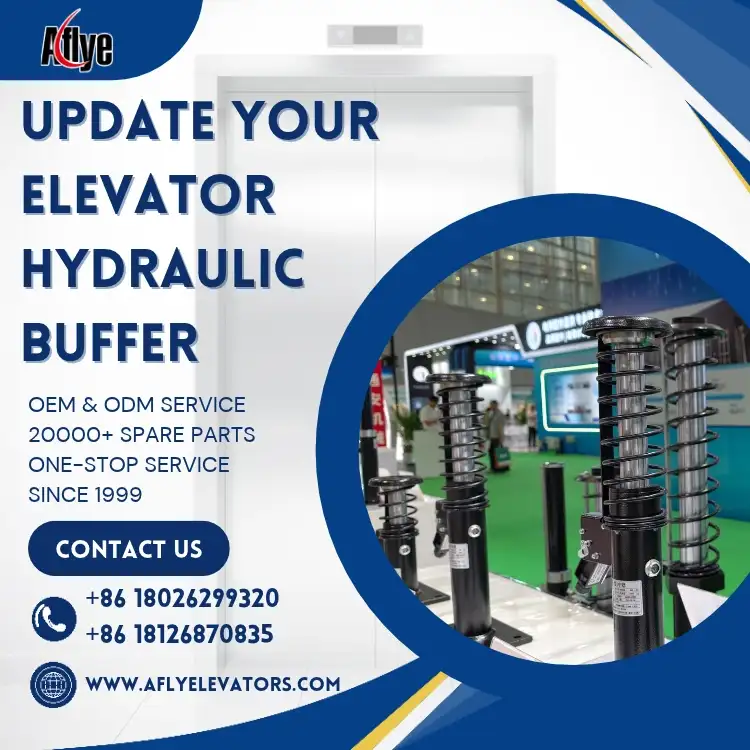
1. Why Does an Elevator Hydraulic Buffer Have Abnormal Rebound Speed?
1. Aging or Leaking Hydraulic Oil
After long-term operation, the hydraulic oil inside the buffer may deteriorate, become contaminated, or leak. This can reduce damping performance and change the buffer's compression and rebound speed.
2. Piston Rod Wear or Corrosion
The buffer piston rod moves up and down repeatedly during operation. Rust, scratches, or insufficient lubrication on its surface can increase friction and prevent smooth rebound.
3. Internal Valve Malfunction
Internal components such as throttling valves and check valves regulate hydraulic oil flow. If these valves become stuck or their performance deteriorates, the buffer's damping and reset processes may be affected.
4. Aging Springs and Reset Mechanisms
Some buffer designs include spring-assisted reset components. After prolonged use, reduced spring elasticity may cause slow or incomplete buffer recovery.
2. What Risks Can Abnormal Rebound Speed Cause?
Under normal conditions, an elevator buffer should absorb impact energy through compression and automatically return to its original position according to its design requirements.
Problems such as slow rebound, incomplete reset, or excessively fast rebound may prevent the buffer from returning to its proper operating position before the next operation.
Common warning signs include:
Excessively long buffer reset time
Piston rod failing to extend completely
Hydraulic oil leakage from the buffer
Abnormal damping during inspection
Failure to meet elevator pit safety inspection requirements
Therefore, when an elevator buffer malfunctions, checking its external appearance alone is not sufficient. Its internal operating condition must also be inspected.
3. How to Troubleshoot Elevator Buffer Problems?
During elevator maintenance, the following points should be checked:
Whether the buffer has hydraulic oil leakage
Whether the piston rod surface is damaged
Whether compression and reset movements are normal
Whether the buffer is securely installed
Whether the buffer model matches the elevator specifications
If the buffer shows significant oil leakage, deformation, abnormal reset performance, or has exceeded its specified service requirements, elevator buffer replacement should be considered. Continued use after simply adjusting the component is not recommended.
4. What Should Be Considered When Purchasing an Elevator Buffer?
When purchasing elevator safety components, confirm the following specifications:
Buffer type (hydraulic or other structural design)
Rated elevator speed
Elevator car and counterweight weight range
Installation height and dimensions
Required buffer stroke
Original equipment model
Especially for elevator modernization projects, the replacement buffer must be selected according to the specifications of the complete elevator system rather than based on external dimensions alone.
5. A-FLY Elevator Safety Parts Supply
A-FLY supplies hydraulic elevator buffers, elevator buffers, safety gears, speed governors, rope grippers, tension devices, and other elevator safety components for elevator repair, maintenance, and modernization projects.
We also provide elevator control systems, door systems, traction system components, escalator safety parts, and various other elevator and escalator spare parts.
Model identification, dimensional matching, OEM/ODM customization, and bulk purchasing services are available to meet the project requirements of elevator contractors and maintenance companies.
Conclusion
Abnormal rebound speed in an elevator hydraulic buffer is often an important warning sign of deteriorating internal performance. Regularly inspecting the hydraulic system, piston movement, and reset function, and replacing the buffer when necessary, are essential measures for maintaining safe elevator operation.