
Elevator Door Operator Roller Wear: Causes & Replacement Cycles
In routine elevator maintenance, problems such as rough door operation, abnormal door operator noise, and door panel vibration are very often related to the elevator door operator roller. Although small in size, the roller is one of the most frequently used and fastest-wearing components in the elevator door system.
As a long-term global elevator and escalator spare parts supplier, A-FLY has found through numerous maintenance and replacement projects that roller wear is not simply the result of long-term use—it is usually caused by multiple factors working together.
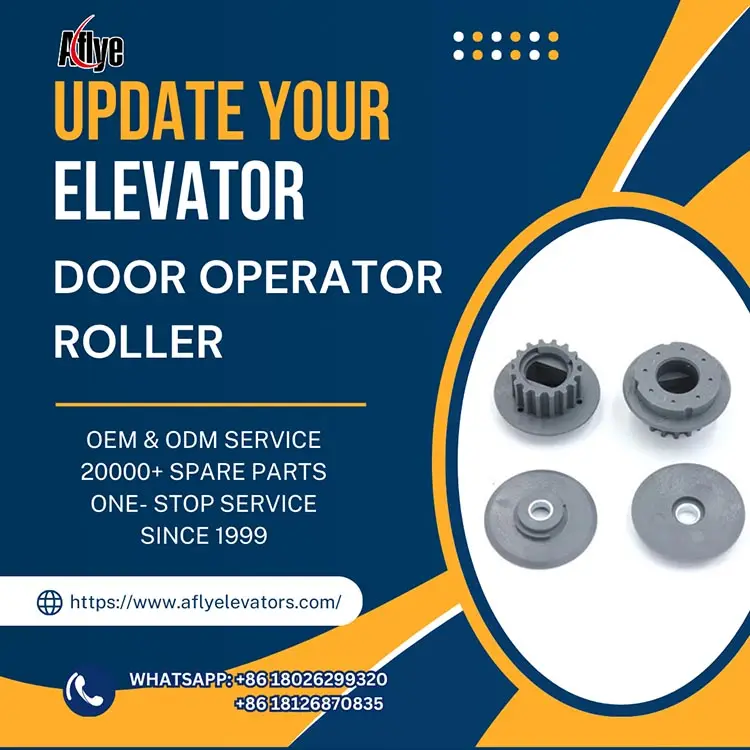
1. How High Is the Working Load of Door Operator Rollers?
Elevator door operator rollers operate almost every time the elevator runs:
They roll during every door opening and closing cycle
In busy locations, doors may operate thousands of times per day
They continuously support the weight of the door panel and lateral forces
For this reason, door operator rollers are naturally high-consumption elevator components.
2. Common Causes of Door Operator Roller Wear
1. Inadequate Roller Material
Low-quality rollers may lack sufficient wear resistance. Over time, the surface may flatten, deform, or crack, affecting smooth rolling.
2. Poor Bearing Quality or Weak Sealing
If the internal bearing seal fails, dust and moisture can enter the roller assembly, leading to dry friction, abnormal noise, and accelerated wear.
3. Uneven Door Weight Distribution
Improper door installation or inconsistent door hanger heights may cause uneven load distribution, resulting in localized abnormal wear on the rollers.
4. Poor Guide Rail Cleanliness
Dust, oil sludge, or metal debris on the door rail can act like sandpaper, gradually wearing down the roller surface.
5. Lack of Preventive Replacement
Many projects only replace rollers when the doors already struggle to open or close. By that time, the door operator system may already have suffered additional damage.
3. Typical Symptoms of Worn Door Operator Rollers
When door operator rollers enter the wear stage, the elevator may show the following signs:
Uneven door opening and closing speed
Periodic abnormal noise during door movement
Slight door panel shaking or vibration
Increased load on the door operator system
If these issues persist, they may eventually affect the service life of the door motor, controller, and other elevator components.
4. How Often Should Door Operator Rollers Be Replaced?
There is no universal lifespan for door operator rollers, but practical maintenance experience suggests several influencing factors:
High-traffic environments (shopping malls, subway stations, hospitals) lead to faster wear
Older elevators or poorly aligned door systems accelerate roller damage
High-quality rollers and properly adjusted systems significantly extend service life
Compared with waiting until failure occurs, regular inspection and preventive replacement are more effective in reducing overall maintenance costs.
5. Commonly Overlooked Issues During Roller Replacement
Many recurring door problems are not caused by the rollers themselves, but by improper replacement practices such as:
Replacing rollers on only one side
Mixing old and new rollers
Failing to inspect door hangers and guide rails simultaneously
Ignoring overall door system alignment
A comprehensive inspection of the entire door operator system is recommended during replacement.
6. Choosing the Right Rollers Is More Important Than Frequent Repairs
High-quality elevator door operator rollers typically feature:
Durable, wear-resistant wheel materials
Well-sealed bearing structures
High dimensional consistency
Compatibility with various door operator systems
These factors directly determine the long-term stability of the roller.
7. A-FLY Provides Reliable Door Operator Roller Solutions
As a professional elevator and escalator spare parts supplier, A-FLY offers multiple models of elevator door operator rollers and related elevator components. These products are compatible with various elevator brands and door operator structures, helping customers reduce repeated repairs and extend the overall service life of door systems.
Conclusion
Wear of elevator door operator rollers is never a “minor issue”—it reflects the true operating condition of the door system. By understanding the causes of wear, establishing reasonable replacement cycles, and selecting reliable elevator spare parts, maintenance teams can ensure that elevator doors continue to operate smoothly, quietly, and reliably.
During elevator maintenance and modernization projects, working with an experienced one-stop supplier such as A-FLY is an effective way to reduce failure rates and improve overall operational quality.