
Problems Caused by Uneven Elevator Wire Rope Tension
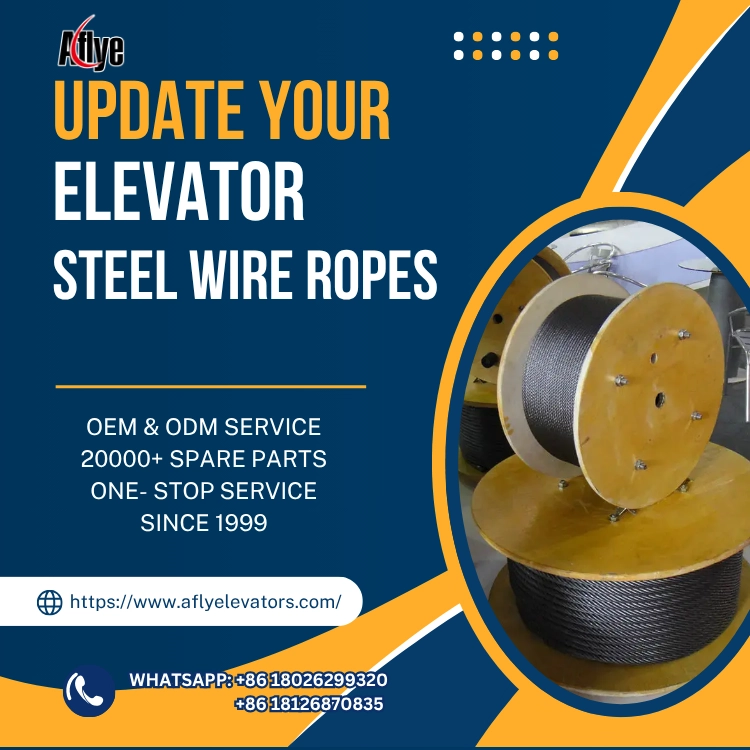
What Problems Can Be Caused by Uneven Tension in Elevator Steel Wire Ropes? In an elevator traction system, steel wire ropes play a core role in both load-bearing and power transmission. When multiple ropes work together, their tension must remain basically equal to ensure smooth and safe elevator operation. However, in real maintenance practice, uneven […]
Early Warning Signs of Traction Machine Bearing Failure

Early Warning Signs of Traction Machine Bearing Failure In an elevator traction system, the traction machine bearing is one of the key elevator components that ensures the stable operation of the motor and traction sheave. Bearings support rotating parts and reduce friction. Once they become damaged or their performance declines, it can not only affect […]
Problems Caused by Improper Escalator Comb Plate Installation

What Problems Can Be Caused by Improper Installation of Escalator Comb Plates? In an escalator system, the comb plate is located at the entrance and exit, serving as a critical transition component between the steps and the landing platform. By precisely meshing with the step teeth, it ensures that passengers can board and exit the […]
GPSI,GPSII,GPSII NEXWAY,MAXIEZ Summary of Common Elevator Door Motor Models

GPSI,GPSII,GPSII NEXWAY,MAXIEZ Summary of Common Elevator Door Motor Models 1. Applicable Elevator Series GPSI GPSII GPSII NEXWAY MAXIEZ 2. Common Door Motor Model Categories 1) EMB Series (AC / Synchronous Door Motors) EMB-80-4 Voltage: 113V Power: 80W Speed: 600 r/min EMB-48-8 Type: Permanent Magnet Synchronous (SE-BL door motor) Reference Model: YA171B911G EMB-125-4 Type: Three-phase AC Asynchronous […]
Risk Analysis of Insufficient Lubrication of Elevator Wire Ropes
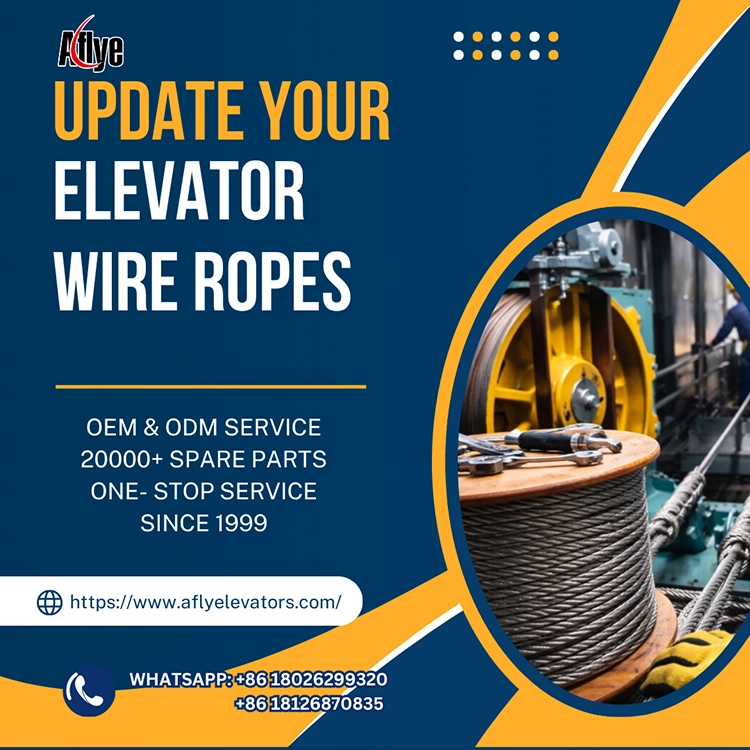
Risk Analysis of Insufficient Lubrication of Elevator Wire Ropes In an elevator traction system, the wire ropes play a critical role in carrying the car’s weight and transmitting power. As one of the key elevator components, wire ropes must maintain proper lubrication during long-term operation to reduce friction, slow down wear, and extend service life. […]
Impact of Traction Sheave Groove Wear on Wire Rope Service Life
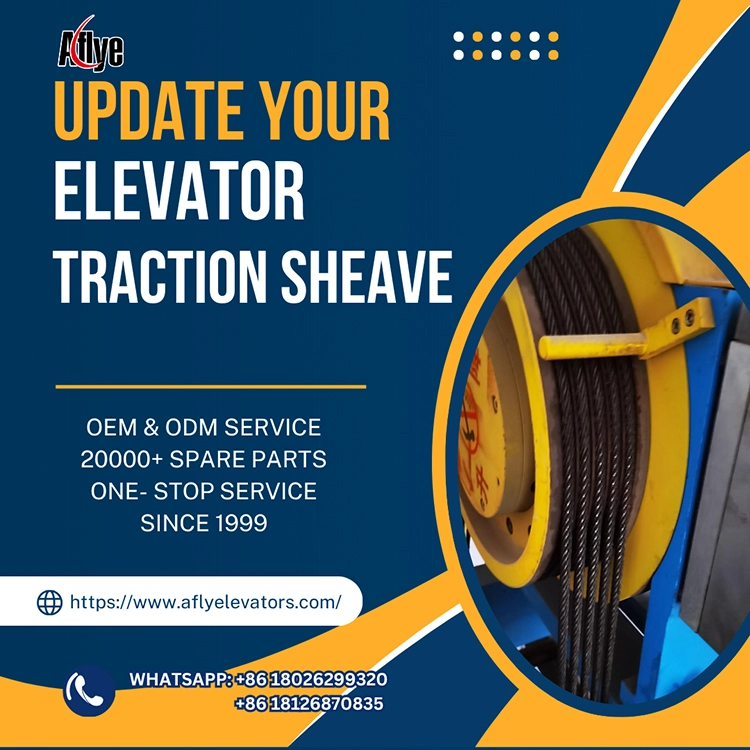
Impact of Traction Sheave Groove Wear on Wire Rope Service Life In an elevator traction system, the interaction between the traction sheave and the wire ropes is one of the key factors ensuring safe operation. Among these, the condition of the sheave grooves directly determines the load distribution and wear pattern of the wire ropes. […]
Analysis of the Safety Risks Caused by Damaged Escalator Comb Plates

Analysis of the Safety Risks Caused by Damaged Escalator Comb Plates In an escalator system, the comb plate is located at the entrance and exit, serving as a critical transition component between the steps and the landing platform. It meshes with the step treads to ensure passengers can safely get on and off the escalator. […]
Common Abnormalities in Permanent Magnet Synchronous Traction Machines
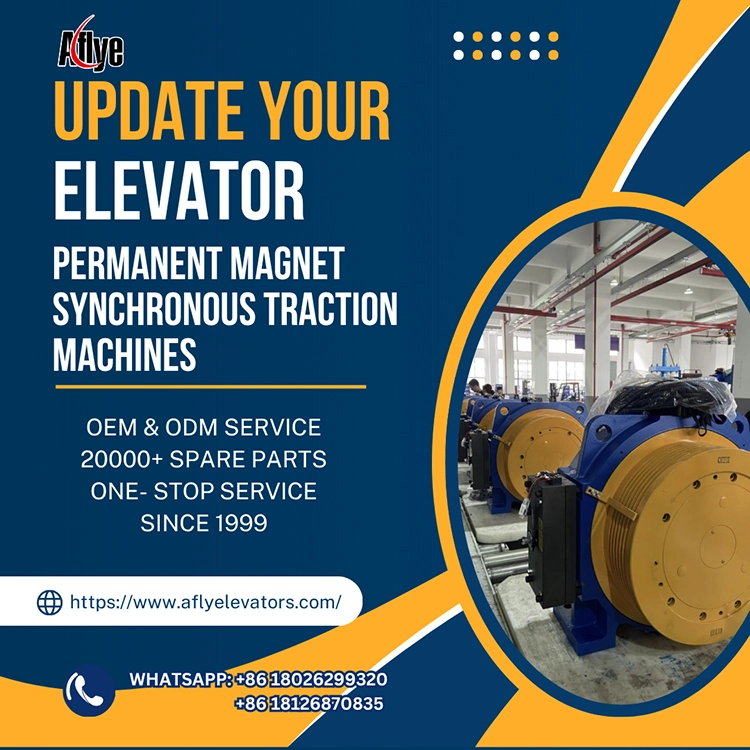
Analysis of Common Operating Abnormalities in Permanent Magnet Synchronous Traction Machines With the development of elevator technology, permanent magnet synchronous traction machines (PMSMs) have been widely used in various elevator systems due to their high efficiency, low energy consumption, and compact structure. However, during long-term operation, these machines may still experience various abnormalities that can […]
Escalator Handrail Drive System Maintenance Guide
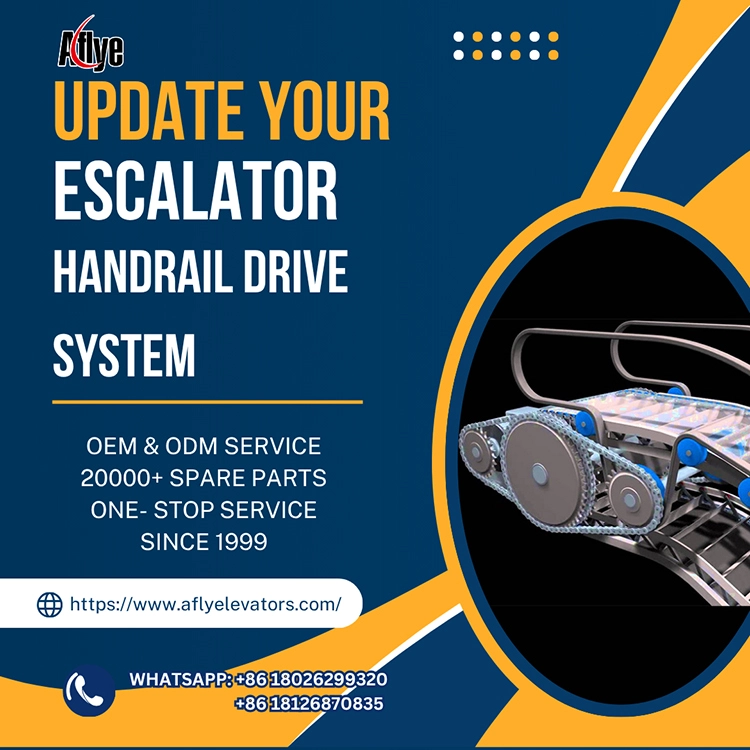
Escalator Handrail Drive System Maintenance Guide In an escalator system, the handrail drive system is a key component that ensures the handrail moves in synchronization with the steps. This system typically consists of multiple elevator and escalator components, including the drive wheel, transmission mechanism, tensioning device, and guiding structure. If maintenance is inadequate, issues such […]
Magnetic vs Photoelectric Leveling Switches in Elevators
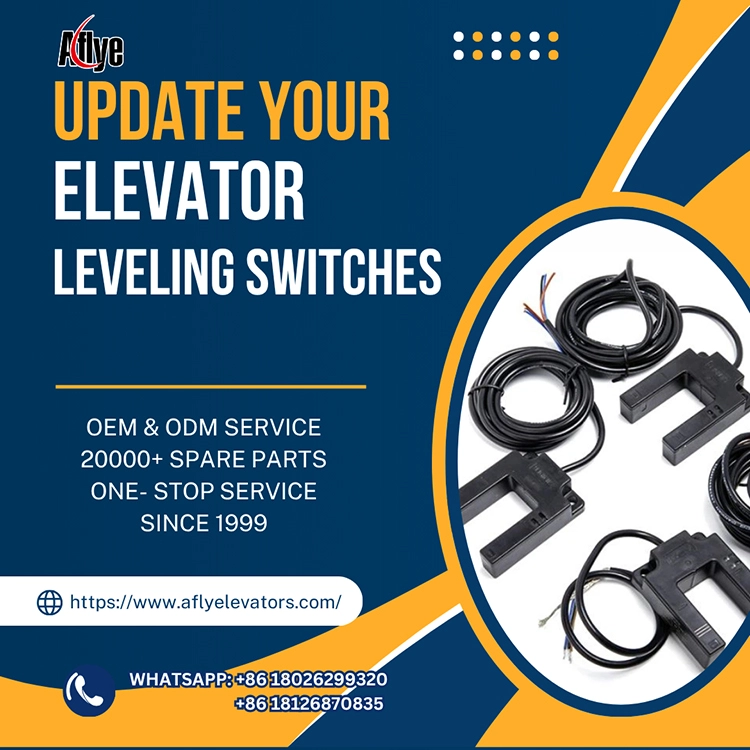
Differences Between Magnetic Leveling Switches and Photoelectric Switches in Elevators In elevator control systems, leveling detection devices are essential for achieving precise floor stopping. Among them, two common types are magnetic leveling switches and photoelectric switches. Although both types of elevator components serve the same purpose—detecting the car position—they differ significantly in working principles, application […]
Light Curtain Installation Angle & Detection Coverage

Impact of Elevator Light Curtain Installation Angle on Detection Coverage In elevator door systems, the elevator light curtain is one of the most important safety components. It forms a detection field at the doorway using multiple infrared beams. When an obstruction is detected, the system prevents the door from closing or reopens it, effectively avoiding […]
How to Identify Wear on Escalator Handrail Surfaces
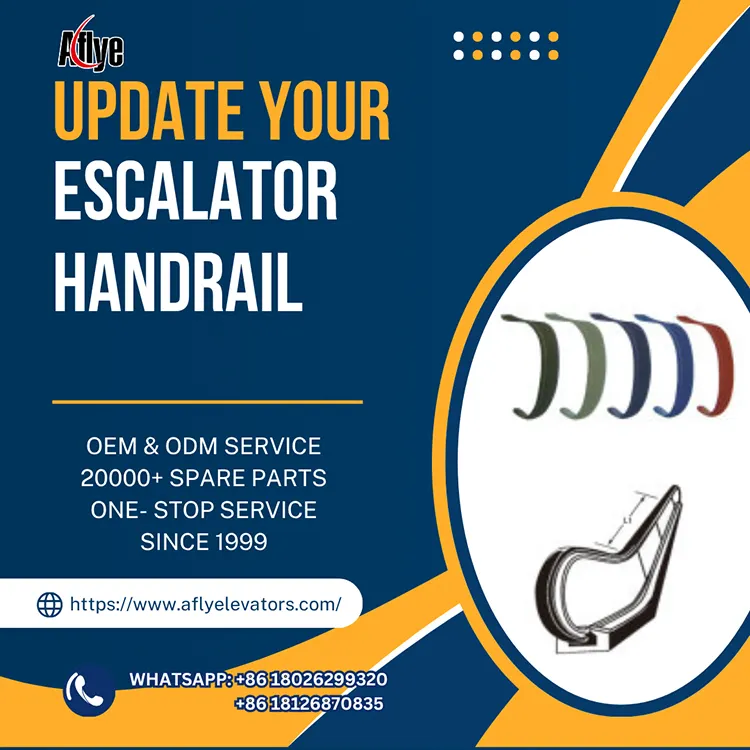
How to Identify Wear on Escalator Handrail Surfaces In escalator systems, the handrail is not only essential for passenger balance but also a key component synchronized with the equipment’s operation. Since the handrail runs at high speed and is used frequently, surface wear is inevitable. If the wear condition is not properly assessed and addressed […]