
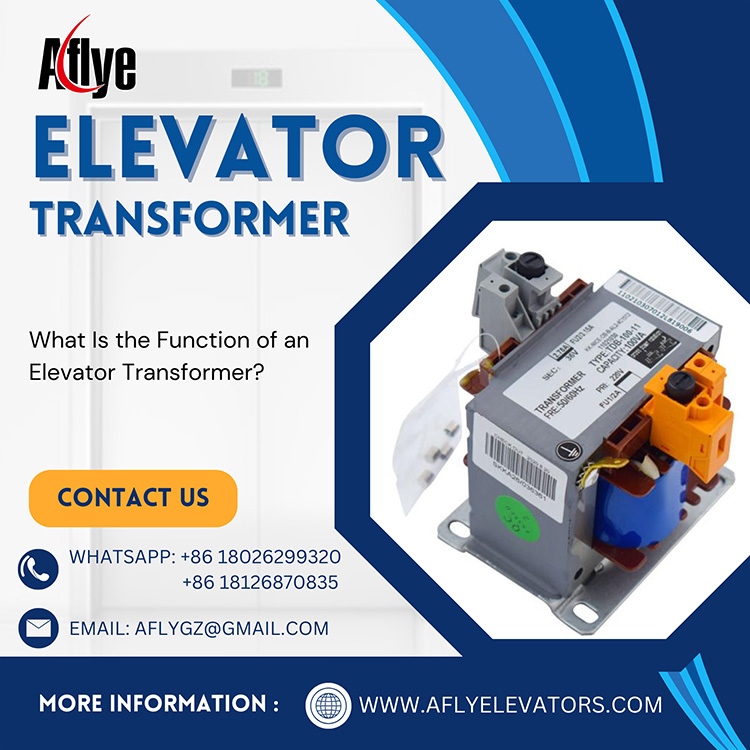
What Is the Function of an Elevator Transformer?
In an elevator control system, the elevator transformer is one of the key components that ensures the stable operation of the electrical system. It not only provides safe power to various elevator control modules but also performs voltage conversion, electrical isolation, and system protection. Whether in passenger elevators, freight elevators, or escalators, the transformer is a core part of the electrical power supply system.
1. Voltage Conversion – Supplying Different Control Voltages
The power supply for elevator systems typically uses AC 380V or 220V, but the operating voltages of internal components vary, for example:
PLC controllers commonly use 24V DC
Elevator relay coils often use 24V, 48V, or 110V
Contactor control circuits use 220V
Display boards, button panels, and light curtains require low-voltage power
The primary function of the elevator transformer is to convert the input voltage into the required standard voltage for each control unit to ensure safe system operation.
2. Electrical Isolation – Protecting the Control System
Elevator systems consist of high-voltage (drive system) and low-voltage (control system) sections. Without effective isolation, strong electrical interference could damage sensitive components such as control boards, COP/LOP panels, and door operator systems.
The elevator isolation transformer provides electrical separation between the power grid and the control system, preventing voltage surges and ensuring system safety.
3. Filtering and Stabilizing – Reducing Electromagnetic Interference
During elevator operation, inverters and drive units generate electromagnetic interference that may cause display errors, signal confusion, or malfunction.
Elevator transformers have built-in filtering capabilities to effectively suppress electromagnetic interference and improve system stability and reliability.
4. Common Types of Elevator Transformers
Common transformer types used in the elevator industry include:
Control Transformers – Provide voltage to control and signal circuits and relays
Isolation Transformers – Protect low-voltage circuits from high-voltage influence
Door Operator Transformers – Supply power for elevator door machine systems
Lighting Transformers – Power car lighting and emergency lamps
Each transformer type serves different functions but shares the same goal: ensuring safe and efficient elevator operation.
5. Common Signs of Elevator Transformer Failure
If the elevator shows any of the following issues, the transformer may be faulty:
No display or frequent rebooting of the control board
Failure of buttons, light curtain, or running signals
Relays or contactors fail to engage
Unstable power supply to the door operator
Abnormal noise or burning smell from control cabinet
In such cases, the transformer input and output voltages should be inspected immediately and replaced if necessary.
6. Where to Buy High-Quality Elevator Transformers?
A-FLY Elevator Spare Parts Supplier offers a full range of elevator transformers compatible with major elevator brands, including:
24V / 48V / 110V / 220V control transformers
Door operator transformers
Electrical isolation transformers
Customized multifunction transformers (OEM support available)
Why choose A-FLY?
A-FLY provides reliable transformer quality, complete model selection, fast delivery, and professional technical support—your trusted partner for elevator components.